Acadia Women's Health
September 24, 2026
min read

Safety is the first question most women ask about breast augmentation, and the research can be unsettling: capsular contracture, rupture, and the possibility of another surgery later all come up quickly. It is reasonable to want the real risks laid out before making a decision this personal.
The overall picture is well documented. Breast augmentation is one of the most common and closely studied cosmetic surgeries in the world, with more than 1.6 million performed in 2024, according to ISAPS. Serious problems are uncommon, and most of the risks that do come up are manageable when you know what to watch for.
At Acadia Women's Health in Crowley, Louisiana, we help women across Acadiana think through this honestly, with realistic expectations. This article walks through what can go wrong, what capsular contracture really is, how to lower your risk, what recovery looks like, and when more surgery might come into play.
Every surgery carries some risk, and breast augmentation is no different. The good news is that the possible complications are well understood, which means your surgeon can plan around them and you can know what to look for. It helps to think about them when they tend to show up.
In the first days and weeks, the most common experiences are simply part of healing: soreness, swelling, bruising, and some temporary changes in how your nipples feel. A small pocket of fluid, called a seroma, can collect and is usually reabsorbed on its own.
Infection is uncommon here too, and careful sterile technique in an accredited setting keeps that risk low.
A few weeks to a few months out, some women notice slight asymmetry, or an implant that sits a little high before it settles. These are usually minor and often improve on their own as everything relaxes into place.
The longer-term risks are the ones that draw the most worry, and they are worth understanding plainly.
Timeframe
What can come up
How often
First days to weeks
Soreness, swelling, bruising, temporary nipple sensation changes
Common and usually temporary
Weeks to months
Slight asymmetry, an implant sitting high or shifting
Uncommon
Years later
Capsular contracture, implant rupture, the need for a revision
More likely the longer an implant is in place
Two long-term points matter most. Implants are not lifetime devices, and rupture becomes more likely with age.
Because these issues add up over time, FDA post-approval data found that about 12 percent of first-time augmentation patients needed another operation within 7 years, according to FDA post-approval studies. That is not a sign of failure. It is simply the reality that implants may need attention at some point, which is why follow-up care matters so much.
Capsular contracture is the complication women ask about most, so it deserves a clear explanation. After any implant goes in, your body naturally forms a thin layer of scar tissue around it, called a capsule. That part is normal and expected. Capsular contracture is when that capsule tightens and squeezes the implant.
When it happens, the breast can start to feel firmer, look rounder or higher, and sometimes become tender or uncomfortable. Surgeons grade it from mild to more pronounced, and only the higher grades usually need treatment. It is the single most common reason women come back for a revision.
So what causes it? The leading theory points to a very low-grade film of bacteria, called a biofilm, that can settle around the implant, along with factors like bleeding during healing. It is not caused by anything you did. This is roughly a 1 in 6 risk over time, according to the American Society of Plastic Surgeons, and the odds vary with the implant and the surgical technique used.
Here is the encouraging part. A lot of what drives capsular contracture is preventable, and when it does need treatment, surgery to release or remove the tightened capsule usually resolves it. It can come back, but careful technique the first time lowers the odds, which brings us to the part you have the most control over.
You might be wondering, "How much of this is actually up to me?" More than you would think. The choices you make before surgery, starting with who holds the scalpel, shape your results as much as anything else.
Choosing an experienced, board-certified surgeon who operates in an accredited setting is the single biggest step you can take. At Acadia Women's Health, those surgeries happen in our own accredited, in-office surgical suites, which are held to strict safety and quality standards.
Our practice was built by Dr. John Gonzalez and Dr. Michelle Owens. Dr. Gonzalez performs our breast augmentations. He is board certified in obstetrics and gynecology by the American Board of Obstetrics and Gynecology, and he is a Fellow of the American Academy of Cosmetic Surgery. He was among the first surgeons in Acadiana to perform breast augmentation in the office under local anesthesia.
That setting matters for safety. Many of our breast augmentations are done under local, or tumescent, anesthesia, which numbs the area so you stay awake but comfortable. Where general anesthesia is the better fit, you are fully asleep and feel nothing during the procedure. Either way, an accredited suite and an experienced team are what keep the experience controlled and calm.
Technique matters too. Our surgeons place the augmentation incision in the fold under the breast, so the scar tucks neatly into that natural crease. We use smooth, round implants, placed below the muscle. Careful, sterile technique and thoughtful implant placement are part of how a good surgeon works to lower the risk of infection and capsular contracture.
There are also a few simple things you can do beforehand to help your body heal well:
This is also exactly what a good consultation is for. A free consultation at our Crowley office is a one-on-one visit with one of our providers, where you can ask every question and get honest answers about what is realistic for you.
Because these are out-of-pocket cosmetic procedures we do not file with insurance, we also offer financing options like Cherry, Affirm, and CareCredit.
Brentney felt calm and cared for even while she was awake for her procedure at our Crowley office.
"The staff along with doctors made you feel so welcomed and really made sure you were calm and needed first. I was really nervous about doing my procedures awake but it was soooo worth it."
Recovery is where a lot of the worry lives, so it helps to know what is normal and what is not. In the first week, some soreness, tightness, and swelling are expected as your body heals. Those feelings ease steadily, and most women find the recovery more manageable than they expected.
The symptoms worth a phone call are different. A fever, spreading redness or warmth, sudden swelling on one side, or pain that gets worse instead of better can signal an infection or a fluid collection that should be checked. Calling early is always the right move, and it is never a bother.
Follow-up visits are a real part of staying safe, not an afterthought. Our team schedules a series of post-op appointments to watch your healing, answer questions, and make sure everything is settling the way it should. You can also message the team or manage your appointments through the patient portal whenever something comes to mind.
When
What is normal
What to do
First week
Soreness, tightness, swelling
Rest, take medicine as directed, keep incisions clean and dry
Weeks 2 to 6
Swelling eases, implants begin to settle
Ease back into activity as you are cleared
Months and beyond
Breasts soften and settle into shape
Keep your follow-up visits
Years later, silicone
Often no symptoms at all
Screening on schedule, even when things feel fine
Silicone implants deserve one extra note. Because a silicone rupture can happen quietly, imaging like an MRI or ultrasound is recommended in the years after surgery to catch a silent rupture early. Saline is easier to spot, since the body simply absorbs the harmless saltwater and the breast changes shape. Keeping up with these checks is a small habit that keeps you a step ahead.
It helps to go in with clear eyes: implants are not meant to last forever. That is not a catch or a warning, just the honest truth about a device inside a living body. Many women enjoy their results for a decade or more, and you can read more about how long implants last before you decide.
A few things make a revision more likely down the road. Capsular contracture, a rupture, or simply a wish to change size are the common reasons women come back. Life plays a role too. Pregnancy, breastfeeding, weight changes, and normal aging can all shift how augmented breasts look over time, the same way they change natural breasts.
Two questions come up a lot here, so let's meet them head on. Many women can still breastfeed after augmentation, especially when the incision is placed away from the nipple, though it is never fully guaranteed. And implants do not stop you from getting mammograms. You simply let the technologist know so they can use the right technique to see clearly around the implant.
If an implant ever does need to come out or be replaced, it is usually a planned, straightforward procedure rather than an emergency. Knowing that ahead of time takes a lot of the fear out of it. It is far easier to feel confident when you understand the whole arc, not just day one.
Joetta came to our team for a revision after another surgeon's work led to complications, and she left her first appointment feeling hopeful again.
"I was fortunate that after reaching out to Acadia Women's Health, Dr. Gonzalez was willing to take on my revision. I felt a sense of hope after my first appointment with him. It has now been two weeks since my revision and I am BEYOND happy!"
If you want to see the kind of results our surgeons achieve, you can view real breast augmentation results in our before-and-after gallery.
If you started this article with that one nagging question, is breast augmentation really safe, you now have a fuller, honest answer. It is a common, well-studied surgery with real but manageable risks, and the choices you make, most of all who performs it, do the heavy lifting in keeping you safe.
A good next step is simple and low-pressure. You can look through real before-and-after photos to set your expectations, and when you feel ready, reach out to our team for a free, no-pressure conversation about your goals and your questions.
At Acadia Women's Health, we understand the body you have and the body you want, and we would be glad to help you weigh this decision with clear, honest guidance. When you are ready to talk, call us at 337-785-2006.
Capsular contracture, a tightening of the natural scar tissue around the implant, is the most common longer-term complication and the leading reason for revision surgery. It can make the breast feel firm or look rounder over time. Careful surgical technique lowers the odds, and treatment usually resolves it when needed.
Roughly 1 in 6 women experience some degree of capsular contracture over the life of their implants, though only the more pronounced grades need treatment. The exact odds depend on the implant type, placement, and surgical technique. Your surgeon can talk through the choices that keep your personal risk as low as possible.
Yes, especially with silicone. A silicone rupture can be silent, which is why the FDA recommends periodic ultrasound or MRI screening over the years. A saline rupture is easier to notice, because the body harmlessly absorbs the saltwater and the breast changes shape fairly quickly.
Many women are able to breastfeed after a breast augmentation, particularly when the incision is placed away from the nipple, as it is with an incision in the fold under the breast. It is never fully guaranteed, since every body is different. If breastfeeding is a priority, mention it during your consultation so it can shape the plan.
Possibly, since implants are not designed to last a lifetime. Many women go a decade or more before considering a revision, whether for a rupture, capsular contracture, or a change in size. Planning for that possibility from the start makes it feel routine rather than alarming.
Warning signs include a fever, spreading redness or warmth around the incision, increasing pain, or unusual swelling. If you notice any of these, calling your surgeon right away is always the right move. Early attention makes infections much easier to manage.
Call for a fever, spreading redness, sudden swelling on one side, pain that worsens instead of easing, or anything that simply feels off. You never need to wait it out or worry about being a bother. At Acadia Women's Health, our patients can also reach the team easily for exactly these moments.
The FDA recommends an ultrasound or MRI a few years after your surgery and then periodically afterward, even if everything feels fine. This catches a quiet rupture early, before it causes any trouble. Saline implants do not need the same imaging, since a leak is easy to see.
Disclaimer: This article is for general educational purposes only and is not medical advice. Reading it does not create a physician-patient relationship. Every patient is different, individual results vary, and no outcome is guaranteed. Talk with a qualified physician about your specific situation before making any treatment decision.
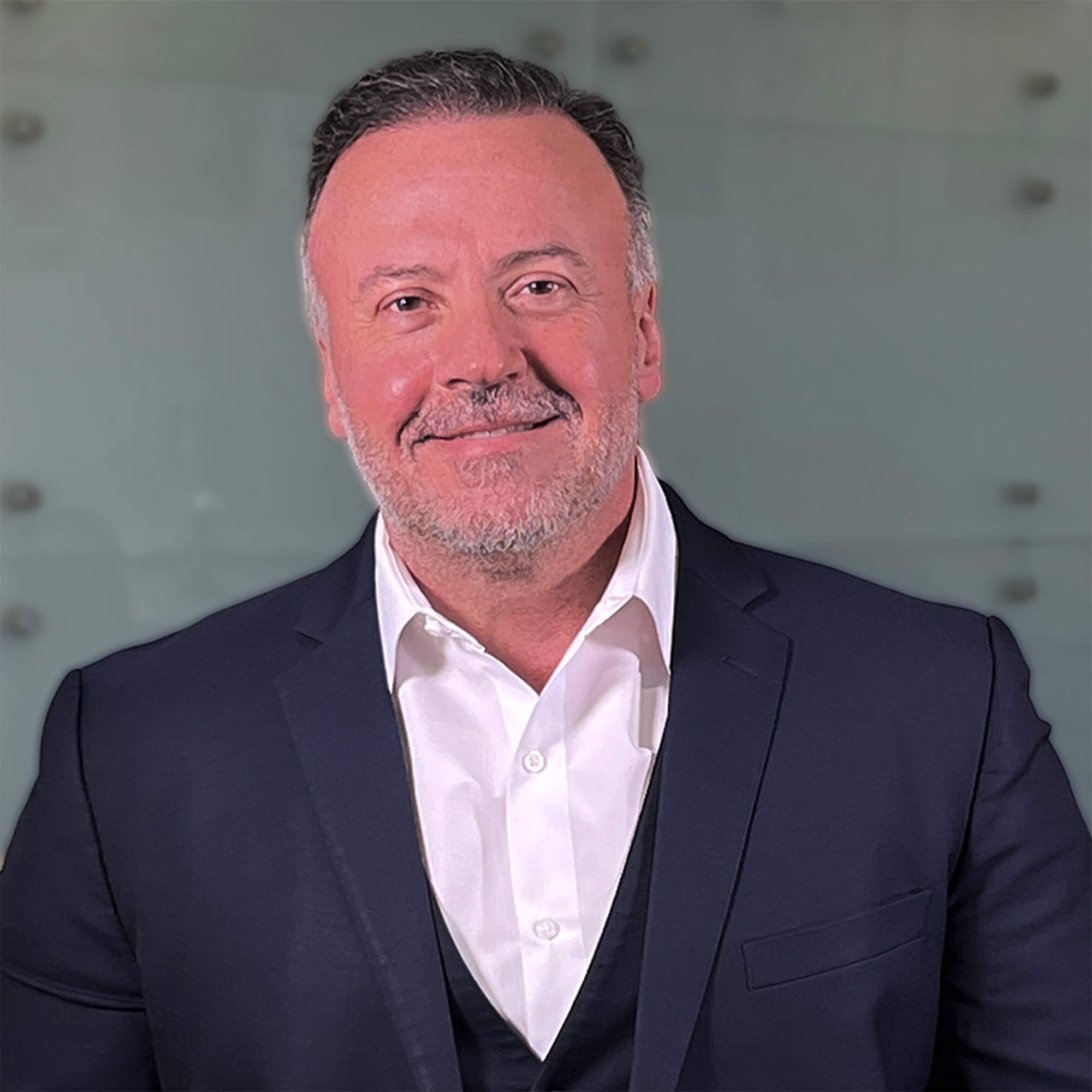
Written by
Cosmetic Surgeon, Board-Certified Urogynecologist
Fellow of the American Academy of Cosmetic Surgeons; Fellow of the American College of Obstetricians and Gynecologists. Medical Degree: University of Miami School of Medicine; Residency: Orlando Regional Healthcare System as Chief Resident.
Our board-certified team offers personalized, judgment-free consultations to help you decide what's right for you.
RECENT POST
BROWSE BY CATEGORY
VISIT US
527 Odd Fellows Road STE B
Crowley, LA 70526
(337) 514-4369
Mon – Thu 8:00 – 5:00
Friday 8:00 – 12:00
%20(SM).png)
(sm).png)
(SM).png)