Acadia Women's Health
August 18, 2026
min read

For a lot of women, the scariest part of a mommy makeover isn't the surgery itself. It's the idea of being put to sleep and trusting someone else to wake you up.
That worry is completely normal. Anesthesia is the one part of the whole experience you can't see working, so your mind tends to fill in the blanks with the worst-case version. Add in the fact that a mommy makeover combines more than one procedure in a single session, and the questions pile up fast.
Here's the reassuring truth. When cosmetic surgery is done in an accredited surgical facility, serious problems are uncommon, on the order of less than 1 percent of cases. Anesthesia today is one of the most closely watched parts of any operation.
At Acadia Women's Health in Crowley, Louisiana, we help women across Acadiana feel informed and calm before surgery, not rushed past their questions. This article walks through the types of anesthesia used for a mommy makeover and the real safety risks. It also covers how to prepare, how to choose a safe surgeon and facility, and what to watch for in early recovery.
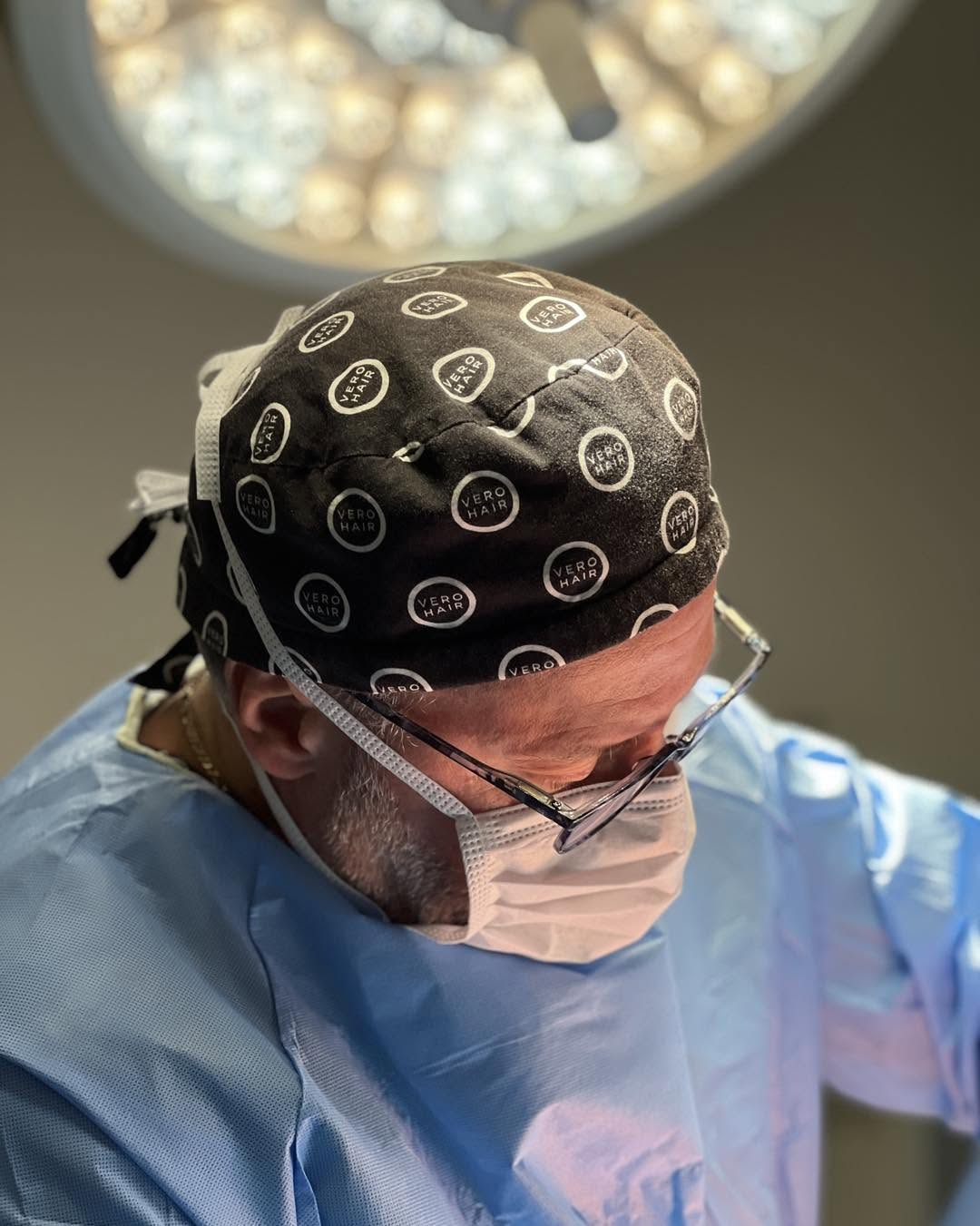
A mommy makeover combines a few procedures into one surgery, so the anesthesia plan is built around how involved your case is. There are three main options, and the right one depends on what's being done and your own health.
General anesthesia puts you into a fully controlled, sleep-like state where you feel nothing, stay completely still, and have no memory of the procedure. It's given through an IV and breathing support, and it's the usual choice when a tummy tuck is combined with breast surgery. For longer, multi-area cases, it lets your surgeon work safely while your breathing and comfort are managed the entire time.
Twilight sedation uses lighter medication to relax you and ease anxiety while you keep breathing on your own, without a breathing tube. You're sedated and comfortable, and most people remember little to nothing. It tends to fit smaller, less-invasive parts of a makeover rather than a full combined surgery.
Tumescent anesthesia is a local numbing solution, so you stay awake while the area being treated is numbed. Paired with mild sedation, it can work for select, lighter cases, like minor liposuction or a smaller breast procedure, in healthy women near their goal weight. It isn't the right fit for a full, more involved makeover, where general anesthesia is safer.
At Acadia Women's Health, our surgeons use tumescent anesthesia for some procedures, so you can stay awake and comfortable. Other procedures use anesthesia given by a certified registered nurse anesthetist (CRNA), so you sleep through it. Which anesthesia is right for you is a conversation you'll have with your surgeon, and it's one of the things a free consultation is for.
Whatever the plan, you are never simply put under and left alone. A dedicated anesthesia provider stays focused only on you, watching your heart rate, oxygen, blood pressure, breathing, and medication levels second by second, and adjusting in real time. That constant attention is exactly why being under feels far scarier than it actually is.
Brentney was nervous about staying awake for her procedures and came out glad she did.
"My surgery was easy and the staff along with doctors made you feel so welcomed and really put making sure you were calm and needs first. I was really nervous about doing my procedures awake but it was soooo worth it."
Every surgery carries some risk, and a mommy makeover is no different. The good news is that most of these risks are well understood, uncommon in healthy women, and actively managed by your surgical team. Knowing them helps you ask better questions and partner in your own safety.
The most talked-about risk is a blood clot in the leg, which can travel to the lungs. A tummy tuck tightens the abdominal wall, and that added pressure can slow blood flow back from the legs, which is how a clot can start. For most healthy women the chance is low, and your team lowers it further with compression, good fluids, early movement, and, when appropriate, medication.
Combining procedures also means more time under anesthesia, and longer surgeries carry more risk. That's why surgeons set limits on how much is done in one session, a point we come back to when we talk about choosing a surgeon. The aim is always to give you the results you want without pushing the operation longer than is safe.
Weight-loss medications are worth a special mention. GLP-1 drugs like Ozempic and Wegovy slow how fast your stomach empties, which can raise the risk of stomach contents coming up during anesthesia. They've also been linked in recent research to slower wound healing. Most guidance now suggests pausing a weekly dose for about a week before surgery, sometimes longer, so be sure your surgeon knows you're taking one.
Local healing issues can also happen. These include a small pocket of fluid the body usually reabsorbs on its own, slower healing at an incision, or a minor infection. They're typically manageable when caught early, which is part of why follow-up care matters so much, and healthy habits before surgery make all of them less likely.
The weeks before surgery are where you have the most control over how safely things go. A few clear steps, done well, set you up for a smoother procedure and an easier recovery. None of them are complicated, and your team will walk you through each one.
Stopping all nicotine is the single most important thing you can do. Nicotine, whether from cigarettes, vapes, patches, or gum, tightens your blood vessels and starves healing tissue of oxygen. In one study, patients who still had nicotine in their systems had a complication rate of about 31 percent, compared with 9 percent for those who tested clean. The encouraging part is that quitting 4 to 6 weeks before surgery brings that risk right back down.
You'll also pause anything that thins the blood and raises bleeding risk. That usually includes aspirin and certain anti-inflammatories, plus common supplements like vitamin E, fish oil, garlic, ginkgo, and turmeric. Bring a full list of everything you take, including over-the-counter products, so nothing gets missed.
Before surgery, you'll go through a medical clearance. This reviews your health history, your medications, and any past reactions to anesthesia. Some lab work confirms your body is ready and helps tailor your anesthesia plan. Existing patients can keep track of records and forms through the patient portal, the secure site where your health information lives.
Two more pieces round it out. The fasting instructions keep your stomach empty, so nothing can come up while you're under anesthesia. That usually means no solid food for several hours and only clear liquids up to a couple of hours before. And arriving at a stable, healthy weight lowers the tension on your incisions and helps everything heal more predictably. None of this is about being perfect, it's about giving your body its best starting point.
This is also exactly what a thorough consultation is for. At Acadia Women's Health, we take the time to review your goals and your health honestly, so your plan fits you. When you're ready, you can book a free consultation and get your questions answered with no pressure to decide that day.
Russie felt informed and cared for from her very first visit.
"From the moment I walked in, the staff made me feel comfortable, welcomed, and well cared for. Dr Balder took the time to explain everything and made sure I felt confident throughout the entire process."
If anesthesia is the part you can't control, choosing your surgeon and facility is the part you absolutely can. This single decision shapes your safety more than almost anything else, so it's worth taking your time with it.
Start with training and experience. You want a surgeon with real, focused experience in the procedures you're considering, who can explain your plan clearly and answer your questions without rushing. Experience helps a surgeon tailor the operation to your body and anticipate issues before they happen.
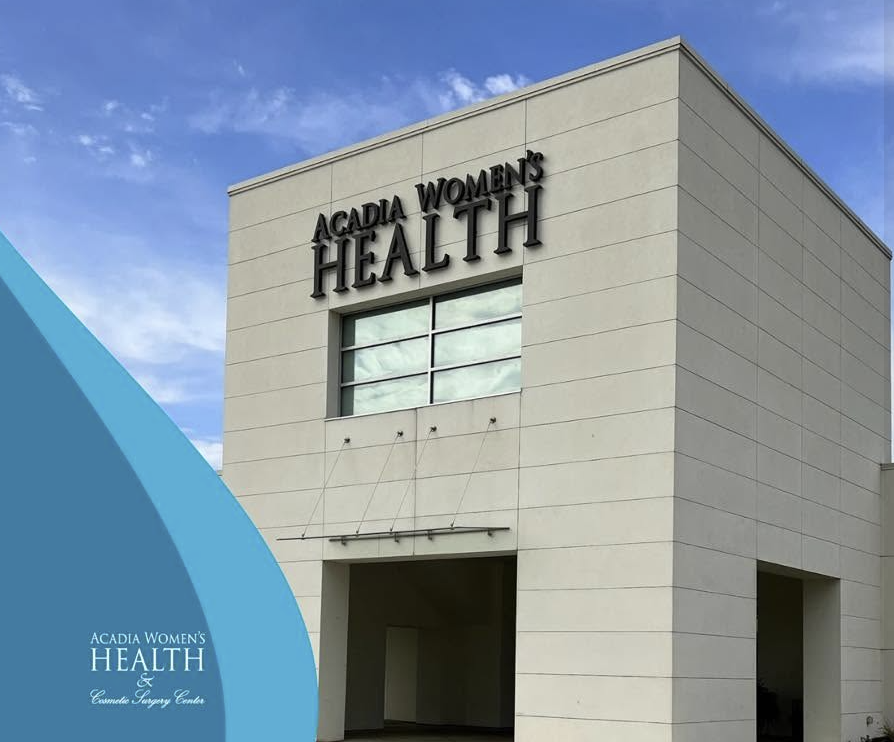
Just as important is where the surgery takes place. An accredited surgical facility has been inspected against strict safety and staffing standards, with the right monitoring equipment, emergency tools, and a plan to transfer to a hospital if it's ever needed. At Acadia Women's Health, cosmetic procedures are done in three fully accredited, in-office surgical suites, where our team has performed over 5,000 cosmetic surgeries.
One of our cosmetic surgeons, Dr. John Gonzalez, is a good example of the kind of background to look for. He is board certified in obstetrics and gynecology by the American Board of Obstetrics and Gynecology, with over 25 years of experience, and is a Fellow of the American Academy of Cosmetic Surgery. He trained under surgeons who pioneered operating under local anesthesia and was among the first in the Acadiana area to perform procedures this way in the office.
There's also the human side, which matters more than most people expect. You should feel seen, not like a number, and you should be able to reach your surgeon with questions before and after surgery. Our cosmetic patients are given a personal number for exactly that reason, so support doesn't end when you leave the suite.
Finally, ask about timing and staging. Because longer operations carry more risk, surgeons keep combined cases within a safe window of around 6 hours. If your goals push past that, a good surgeon may suggest splitting them into two stages, which is a sign they're putting your safety first.
The first day or two after surgery is the most important stretch of your recovery, and a little attention here goes a long way. Most of it comes down to simple, doable things, and your team will send you home knowing exactly what to do.
Getting up to walk gently, even just around the house, is one of the best things you can do early on. Moving your legs keeps your blood flowing and is a proven way to lower the risk of blood clots. You won't be doing anything strenuous, just short, frequent, easy walks. Staying well hydrated and doing simple ankle pumps while you rest help too.
You'll also want a responsible adult with you for at least that first 24 hours. Anesthesia can leave you groggy and unsteady longer than you'd expect. Having someone there to help you move around, take medications on time, and keep an eye on you is a real safety measure.
Knowing the warning signs gives you peace of mind. Call your surgeon promptly if you notice any of these:
Most women never run into any of these, and the ones who do usually do well because they spoke up early. That's exactly why being able to reach your care team easily matters so much. Our cosmetic patients can call their surgeon directly with questions, and we would rather hear from you over something small than have you wait and worry.
taylor went in nervous and was surprised by how comfortable it was.
"I was really nervous going in, but Dr. Balder did an amazing job keeping me calm and made me laugh throughout the entire procedure. I thought I would end up crying because of the pain, but I didn't feel any at all."
If the thought of going under has been the thing holding you back, you're far from alone, and it's a fair thing to think hard about. A mommy makeover is a real surgery, and feeling cautious about anesthesia means you're taking the decision as seriously as it deserves.
The best way to trade worry for clear answers is to talk it through with a provider who will walk you through every step. You can also look at before-and-after results and ask all your safety questions in one place. When you're ready, reach out to our team for a free consultation, or call us at 337-785-2006, with no pressure to decide that day.
At Acadia Women's Health in Crowley, we believe a safe plan and an honest conversation are what let you feel confident and at peace with your decision. We understand the body you have and the body you want, and we're here whenever you're ready to take the next step.
For lighter, less-invasive parts of a makeover, yes, some patients stay awake using a numbing solution with mild sedation. A full combined surgery, though, is almost never done awake, because deeper tissue work needs the stable, controlled conditions that sedation or general anesthesia provide. Your surgeon will recommend the safest option for your specific plan.
For most healthy women, the risk is low. It rises a bit because a tummy tuck tightens the abdomen, which can slow blood flow from the legs. Surgeons lower the risk with compression, hydration, early walking, and medication when it's needed, and you help by moving gently and staying hydrated at home.
It depends on which procedures are combined, but most cases run somewhere between 3 and 6 hours. Surgeons keep combined operations within a safe time window, and if your goals would take longer, they may suggest staging the work into two sessions to keep you safer.
Medications like Ozempic and Wegovy slow stomach emptying, which can raise the risk of stomach contents coming up during anesthesia, and they may slow healing. Most guidance suggests pausing a weekly dose for about a week before surgery, sometimes longer. Always tell your surgeon and anesthesia provider if you take one.
Nicotine tightens your blood vessels and reduces the oxygen your tissues need to heal, which raises the risk of wound problems and infection. That's true of cigarettes, vapes, patches, and gum. Stopping 4 to 6 weeks before and after surgery gives your body the best chance to heal well.
You may have heard the old "nothing after midnight" rule. Its real purpose is to keep your stomach empty so nothing can come up and reach your lungs while you're under anesthesia. Many modern guidelines now allow clear liquids up to about 2 hours before, so follow the exact instructions your team gives you rather than guessing.
It's a thorough check to make sure you're ready for surgery and anesthesia. Your team reviews your health history, current medications, any past anesthesia reactions, and runs lab work as needed. The goal is to catch anything that needs attention ahead of time and to tailor a plan that fits you.
Both are highly trained to deliver anesthesia safely, and major safety checklists accept either in an accredited operating room. At Acadia Women's Health, anesthesia is given by a certified registered nurse anesthetist (CRNA) for procedures that call for it. What matters most is a qualified provider in an accredited facility focused only on you.
Often yes, but the plan has to be tailored carefully, since a higher BMI can raise the risk of wound and healing issues and blood clots. Some surgeons suggest staging procedures or reaching a stable weight first. A free consultation is the best way to find out what's safe and realistic for you.
Disclaimer: This article is for general educational purposes only and is not medical advice. Reading it does not create a physician-patient relationship. Every patient is different, individual results vary, and no outcome is guaranteed. Talk with a qualified physician about your specific situation before making any treatment decision.

Written by
Cosmetic Surgeon, Board-Certified Urogynecologist
Fellow of the American Academy of Cosmetic Surgeons; Fellow of the American College of Obstetricians and Gynecologists. Medical Degree: University of Miami School of Medicine; Residency: Orlando Regional Healthcare System as Chief Resident.
Our board-certified team offers personalized, judgment-free consultations to help you decide what's right for you.
RECENT POST
BROWSE BY CATEGORY
VISIT US
527 Odd Fellows Road STE B
Crowley, LA 70526
(337) 514-4369
Mon – Thu 8:00 – 5:00
Friday 8:00 – 12:00
%20(SM).png)
(sm).png)
(SM).png)