Acadia Women's Health
October 8, 2026
min read

You have decided you want a breast augmentation. Then comes the question that stops a lot of women in their tracks: saline or silicone?
It can feel like a surprisingly big decision for something so small. Both implant types are safe and FDA approved, yet they look, feel, and age a little differently, and the choice is yours to live with day to day.
There is no single right answer, only the right answer for your body and your goals. In 2020, about 84 percent of breast implants used in the United States were silicone, according to the American Society of Plastic Surgeons. Even so, saline still has real advantages that make it the better fit for plenty of women.
At Acadia Women's Health in Crowley, Louisiana, we help women across Acadiana weigh this choice with honest, plain answers. This article walks through how the two implants differ, the strengths of each, what happens if one ruptures, and how to land on the option that feels right for you.
Both implants use the same outer silicone shell. The difference is what is inside, and that one detail shapes how they feel, how they are placed, and how you care for them over time.
A saline implant is filled with sterile salt water, the same fluid used in an IV bag. It goes in empty and gets filled once it is in place, so the surgeon can fine-tune the size during your procedure. A silicone implant comes pre-filled with a soft, cohesive gel, sometimes called a gummy bear implant, that closely mimics the feel of natural breast tissue.
That fill changes a few practical things. Saline tends to feel a little firmer and can show visible rippling if there is not much natural tissue covering it. Silicone feels softer and is less likely to ripple, which is part of why so many women prefer it.
Feature
Saline implants
Silicone implants
Filled with
Sterile salt water, added during surgery
Soft cohesive gel, pre-filled
Feel
A little firmer
Closer to natural breast tissue
Incision
Smaller, since it is filled in place
Slightly larger, since it comes pre-filled
Rippling
More visible with less natural tissue
Less likely to ripple
If it ruptures
Deflates noticeably; the body absorbs the salt water
Often stays in place quietly; needs imaging to confirm
FDA-approved age
18 and older
22 and older
There is one more practical difference worth knowing. The FDA approves saline implants for women 18 and older, and silicone implants for women 22 and older. Neither is better than the other here. It simply means the options on the table can depend a little on your age.
Saline implants have a loyal following for good reasons, and most of them come back to simplicity and peace of mind. If a saline implant ever leaks, the salt water is harmlessly absorbed by your body, and the implant visibly deflates, so the change is easy to notice. There is no guessing and no special scan needed to catch it.
Because a saline implant is filled after it is placed, it can go in through a smaller opening, which can mean a smaller scar. That same fill-in-place feature lets your surgeon adjust the volume during surgery for a closer match between the two sides. For many women, that adjustability and the easy rupture detection are reassuring.
Saline is also usually the more budget-friendly option. At Acadia Women's Health, our breast augmentation pricing starts at $3,600, which comes to $3,950 for saline implants once medication, labs, and the facility fee are added. That is a starting price built around a specific plan, so the only way to get a real number for you is a free consultation. And flexible financing through Cherry, Affirm, and CareCredit can spread the cost into monthly payments.
Silicone is the most popular choice today, and the reason is mostly about feel. The cohesive gel inside moves and settles much like natural breast tissue, so the result tends to look and feel softer and more natural. If a result you can barely tell is there is your goal, silicone usually gets you closer.
Silicone also ripples less, which makes it a strong option if you have thinner skin or less natural tissue to cover the implant. The gel holds its shape well over the years, and silicone implants are often praised for their durability, with a lower chance of rupture than saline. The one trade-off is that a pre-filled implant needs a slightly larger opening to place.
Seeing real results often makes the choice feel less abstract. At Acadia Women's Health, you can look through our before and after photos to get a feel for what natural-looking proportions can look like on different bodies.
Russie found that a calm, thorough surgeon made all the difference in how confident she felt about her results.
"My surgeon took the time to explain everything and made sure I felt confident throughout the entire process. The results of my procedure look fantastic and I couldn't be happier."
This is the worry that sits under a lot of implant decisions, so let's talk about it plainly. Implants are strong, but they are not lifetime devices, and a rupture can happen.
Across both types, ruptures are uncommon. A StatPearls review puts the chance at about 10 to 15 percent over the first 10 to 15 years. How you would notice it depends on the implant.
A saline rupture announces itself. The shell leaks, your body safely absorbs the salt water, and the breast gradually deflates over a few days, so the change is easy to see and easy to address. A silicone rupture is quieter. The gel often stays trapped in the natural scar tissue around the implant, which is why it is sometimes called a silent rupture, with no obvious change in how the breast looks or feels.
Because a silicone rupture can hide, imaging is how you stay ahead of it. The Mayo Clinic notes that the FDA recommends breast imaging, such as an ultrasound or MRI, beginning 5 to 6 years after surgery, and then every few years after that. Saline implants do not need this routine monitoring, since a leak shows itself.
What about the famous 10-year rule? It is a myth. There is no schedule that says implants must come out every decade.
The idea traces back to an older safety report. As the ASPS explains, only about 1 in 5 women need any kind of revision within 10 years, which means most are doing just fine. If you love how they look and feel, and nothing has changed, you can leave them be.
Staying on top of your implants is simple. Keep up with your follow-up visits, and you can check messages or appointment details anytime through the patient portal. The goal is not worry, it is the quiet confidence of knowing everything is in good shape.

Here is the honest answer: the right implant is the one matched to your body and your goals, not the one your friend loved. A handful of personal factors point the way, and a good surgeon weighs them with you.
Your natural breast tissue matters most. If you have thinner skin or a smaller frame with less tissue to cover an implant, silicone usually gives a smoother result because it ripples less. If you have more natural coverage, both options can look beautiful, which opens the door to other deciding factors. Your aesthetic goals come next, whether you want the softest, most natural feel or you simply like the adjustability and easy monitoring of saline.
Your comfort with routine imaging every couple of years is part of it too. If the idea of scans every couple of years feels like one more thing to track, saline keeps life simpler. If a softer, more natural feel is worth that small upkeep, silicone may win out. None of this is something you have to figure out alone.
You might be wondering, how am I supposed to know which is right when I am not the expert? That is a fair worry, and it is exactly what a consultation is for.
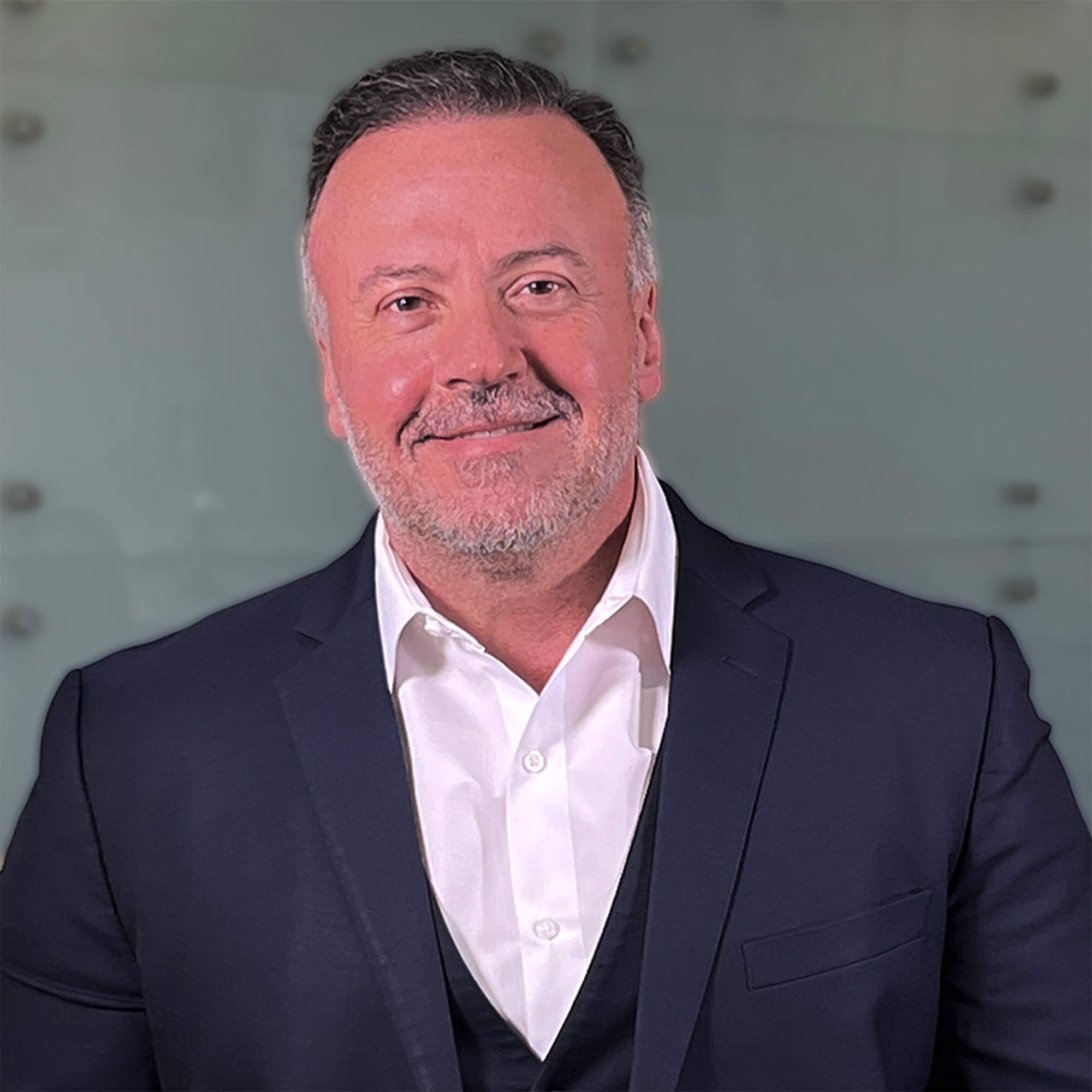
Our surgeons look at your real tissue and goals before recommending anything. That includes Dr. John Gonzalez, who is board certified in obstetrics and gynecology by the American Board of Obstetrics and Gynecology and a Fellow of the American Academy of Cosmetic Surgery. With more than 25 years of experience, he was among the first in the Acadiana area to perform breast augmentation in the office under local anesthesia.
Adriana came in unsure whether to remove or replace her older implants, and a hands-on look at her own tissue gave her a clear answer.
"They analyzed my breast tissue and advised me that going with smaller, silicone gel implants with a lift would give me the exact look and satisfaction I was seeking."
The consultation itself is free, and it works both ways. It is your chance to ask every question and size us up as much as we get to know you. We take the time to listen, walk through your options honestly, and talk through cost and financing, with no pressure to decide that day. You can call us to schedule at 337-785-2006.
Back to that first question, saline or silicone. The best implant is the one chosen around your body, your goals, and your peace of mind, not a trend. Either way, a breast augmentation is a personal decision you deserve to feel good about.
If it helps to picture the results, our before and after photos show what natural proportions can look like, and when you are ready you can reach out to our team to talk it through.
We are proud to care for women across Crowley and the Acadiana area, and at Acadia Women's Health we understand the body you have and the body you want. When you are ready, we are here, and you can reach us at 337-785-2006.
Both saline and silicone implants are FDA approved and considered safe. The difference is not safety but how a rupture behaves and how you monitor for it. Saline leaks are obvious and the fluid is harmlessly absorbed, while silicone calls for occasional imaging. Our surgeons will walk you through both so you can choose with confidence.
For most women, silicone implants feel closest to natural breast tissue, because the cohesive gel inside moves much like your own tissue. Saline can look great too, especially with enough natural coverage, but it tends to feel a little firmer. The best way to compare is to feel implant samples during a free consultation.
The FDA approves saline implants for women 18 and older, and silicone implants for women 22 and older. This is one reason younger patients sometimes start with saline. Your surgeon can explain how this applies to your situation.
A silent rupture is a silicone implant leak that does not change how the breast looks or feels, because the gel stays held in the surrounding scar tissue. Since it has no obvious signs, it is found through imaging like an ultrasound or MRI. That is why routine scans are recommended for silicone, but not for saline.
Saline is often the more budget-friendly choice, since the implants themselves usually cost less than silicone. That said, the full price depends on your individual plan. At Acadia Women's Health, breast augmentation starts at $3,600, and we offer financing through Cherry, Affirm, and CareCredit to make it manageable.
Modern implants are made to last many years, and plenty of women keep theirs for 15 to 20 years or more without trouble. They are not lifetime devices, so a replacement may be needed eventually due to rupture, changes in your body, or a shift in what you want. Regular check-ins help you stay ahead of any changes.
No. There is no rule that implants must be swapped out at the 10-year mark. That timeline is a check-in milestone, not an expiration date, and if you love your results with no complications, you can keep them. Most women do not need a revision within their first decade.
Saline implants are more likely to show rippling, especially in women with thinner skin or less natural tissue to cover them. Silicone gel holds its shape and ripples less, which is why it is often recommended for slimmer frames. Your surgeon can assess your tissue and tell you what to expect.
A ruptured saline implant is not considered dangerous, because the sterile salt water inside is simply absorbed by your body, the same as any saline. You will notice the breast deflate, and the implant can then be removed or replaced. It is a manageable issue, not an emergency.
Saline implants are filled during surgery, which lets the surgeon fine-tune the volume for a balanced result on the day of your procedure. Once you have healed, though, changing the size means a new procedure for either implant type. This is one more reason the planning you do at your consultation matters so much.
Disclaimer: This article is for general educational purposes only and is not medical advice. Reading it does not create a physician-patient relationship. Every patient is different, individual results vary, and no outcome is guaranteed. Talk with a qualified physician about your specific situation before making any treatment decision.
Written by
Cosmetic Surgeon, Board-Certified Urogynecologist
Fellow of the American Academy of Cosmetic Surgeons; Fellow of the American College of Obstetricians and Gynecologists. Medical Degree: University of Miami School of Medicine; Residency: Orlando Regional Healthcare System as Chief Resident.
Our board-certified team offers personalized, judgment-free consultations to help you decide what's right for you.
RECENT POST
BROWSE BY CATEGORY
VISIT US
527 Odd Fellows Road STE B
Crowley, LA 70526
(337) 514-4369
Mon – Thu 8:00 – 5:00
Friday 8:00 – 12:00
%20(SM).png)
(sm).png)
(SM).png)