Acadia Women's Health
August 27, 2026
min read

Women looking into breast enhancement run into three different routes to the same goal: implants, a fat transfer, and a long list of "non-surgical" promises. They blur together easily, because every website describes them a little differently. That confusion is fair. What separates them comes down to size, feel, recovery, and how long the result lasts.
Breast augmentation is one of the most common cosmetic procedures in the country. More than 306,000 procedures were performed in the United States in 2024 alone. That volume means this is well-traveled ground, and a lot is known about how each option behaves over time.
At Acadia Women's Health in Crowley, Louisiana, we help women across Acadiana weigh these options honestly and match them to real goals. This guide walks through the main implant types, how fat transfer breast augmentation works, what "non-surgical" actually means, and how the three compare on size, recovery, feel, and cost.

When most people picture breast augmentation, they picture implants, and for good reason. Implants are the most direct way to choose a specific size and shape and see the change right away. At Acadia Women's Health, our surgeons perform breast augmentation with saline or silicone implants matched to your goals, in our own accredited surgical suites.
For a decision like this, it helps to know who is guiding you. Dr. John Gonzalez is board certified in obstetrics and gynecology by the American Board of Obstetrics and Gynecology and a Fellow of the American Academy of Cosmetic Surgery. He has more than 25 years of surgical experience and was among the first in the Acadiana area to offer breast augmentation in the office.
The first choice is what the implant is filled with. Silicone implants are filled with a soft gel that feels a lot like natural breast tissue, which is why many women choose them when a natural feel matters most. Saline implants are filled with sterile salt water, and they tend to feel a little firmer.
One practical difference is safety monitoring. If a saline implant ever leaks, your body simply absorbs the salt water and the implant deflates, so you notice. A silicone leak is quieter, so imaging is used to check the implant over time.
There are a few more variations worth knowing. Structured saline implants hold the salt water inside an inner shell, so they feel closer to silicone. Form-stable implants, often called "gummy bear" implants, use a thicker, more cohesive gel that holds its shape well and feels firmer, and they usually need a slightly longer opening to place.
Shape and surface come next. Round implants look the same all the way around and give fuller upper-breast volume, while shaped implants have more projection at the bottom for a gently sloped look. Shells can be smooth or textured. At Acadia Women's Health we use smooth, round implants, which feel soft and move naturally.
Two placement choices round out the picture. An implant can sit above the chest muscle or partly beneath it, and we always place it below the muscle. Below the muscle often looks smoother in women with less natural tissue and can make mammograms easier to read, though it may add a little recovery time.
As for the scar, our breast augmentation incision is placed in the fold under the breast. It tucks into the natural crease where the breast meets the chest, so the mark stays hidden.
This is a lot to take in, and you do not have to sort it out alone. When you are weighing implant types, you can talk it through with our team at a free consultation, with no pressure to decide that day.
Fat transfer, also called fat grafting, is the implant-free option many women ask about first. Instead of adding a device, your surgeon uses your own fat to add volume. It is an appealing idea because it works with your body's own tissue and slims a donor area at the same time.
The process has three steps. First, fat is gently removed from an area like the abdomen, hips, or thighs using liposuction. Next, that fat is cleaned and prepared. Finally, it is injected into the breast in many small deposits so more of it can pick up a blood supply and survive.
You can read more about how we approach fat transfer to the breasts on our site.
Here is the honest part, because it shapes expectations. One session usually creates a subtle change of about a half to one cup size, and larger goals often need more than one round. Your body also reabsorbs some of the transferred fat. A 2018 review of 5,350 patients found that roughly half of the injected fat remained after a year, which is why the final result settles gradually.
Not everyone is a candidate, and that is worth knowing early. You need a stable weight and enough fat to harvest, and it helps to want a natural, modest enhancement rather than a big jump in size.
In our own consultations, we see this play out often. Many women come in asking about fat transfer, and once they compare it side by side with implants, a good number choose implants because the size change is more predictable. There is no wrong answer here, only the one that fits your goals.

If you have seen ads for creams, pumps, or "liquid" boob jobs, it is fair to wonder whether any of them work. The short, honest answer is that a lasting, non-surgical size increase is hard to come by, and it helps to know why before spending money on it.
Injectable hyaluronic acid, the same family of gel used in facial fillers, can add temporary volume. The catch is that the body breaks it down over time, and studies show only a small share remains after a couple of years. These gels can also make mammograms harder to read, which is a real drawback, and they are not a mainstream breast option.
External suction devices are the most studied non-surgical idea. Worn like a bra, they apply gentle, steady pressure to slowly coax tissue to grow. The results are modest and demand serious commitment.
In the original research, women wore the device 10 to 12 hours a day for about 10 weeks. A quick session with a low-cost pump will not reproduce that. Brief pumping mostly causes temporary swelling, not real growth.
Creams, pills, and patches are the easiest to be clear about. Mayo Clinic states that breast-enhancement supplements are not likely to work and that there is no evidence they increase breast size. Any change people notice is usually short-lived swelling or a placebo effect. Knowing this simply frees you to focus your time and budget on the options that actually deliver.
Once you understand each option on its own, comparing them side by side makes the decision feel manageable. The clearest differences show up in how much size you gain, how natural it feels, how long recovery takes, and how long the result lasts.
Implants give the biggest and most predictable change, because the volume is chosen ahead of time and is there the moment you wake up. Fat transfer gives a softer, more natural feel since it is your own tissue, but the size gain is smaller and more gradual. Non-surgical methods sit far behind both on size and staying power.
A randomized trial comparing the two captured this trade-off well. At one year, 87.5 percent of implant patients had excellent aesthetic results, compared with 70 percent of fat-grafting patients. Yet the fat-grafting group reported more natural-looking results.
Option
Typical size change
Recovery
Feel
Longevity
Breast implants
Choose your size, immediate and predictable
Sore and swollen for a few weeks, lighter activity within a week or two
Natural, with silicone the softest
Not lifetime devices, may need future surgery
Fat transfer
Subtle, about a half to one cup
Bruising and swelling settle in roughly three weeks, final result over 3 to 6 months
Very natural, your own tissue
Long lasting for the fat that survives
Non-surgical (fillers, devices)
Small or temporary
Little to none
Varies, often temporary
Short-lived or unproven
Cost tends to be the next question, and it is a fair one. We do not file cosmetic procedures with insurance, so these are out-of-pocket, which is exactly why we keep pricing clear and offer financing. Breast augmentation at Acadia Women's Health starts at $3,600, a cash-price starting point that does not include meds ($75), labs ($75), or a $200 facility fee.
Fat transfer and other plans are quoted at your consultation, because the price depends on your body and your goals. When you are ready, you can explore financing options like Cherry, Affirm, and CareCredit to spread the cost into monthly payments.
Nancy compared prices before she chose our Crowley office, and the value stood out to her.
"They beat other's prices, but you will get great service. I would definitely go back again. My results are amazing. I got a breast reduction and implants. And it really helps how you feel about yourself. Thank you all Dr.Gonzalez and your staff!"
With the facts side by side, the real decision comes down to you: your goals, your body, and what feels right for your life. The best next step is a conversation where someone looks at your anatomy and talks through what each option would realistically do for you.
That is what a free consultation is for. It is a one-on-one visit with one of our providers, and it goes both ways. You get to ask every question and see whether this feels like the right fit, while we assess your tissue, your goals, and whether implants or fat transfer would serve you better.
You might be wondering, "Will they actually listen to me, or just push me toward surgery?" That is a fair worry. It is exactly why the visit is a discussion, not a sales pitch.
We take the time, and after surgery our cosmetic-surgery patients even get a personal cell number to call, so you are never left guessing during recovery.
Having everything in one place helps, too. Cosmetic surgery, women's health, and our own surgical suites are all under one roof at Acadia Women's Health, so your care stays connected from the first visit through healing. If you are already a patient, you can message the team or manage your appointment through the patient portal between visits.
Samantha came in unsure and left feeling heard, which is what a good consultation should do.
"She was incredibly caring and sweet, and most importantly, she truly listened. Every concern I had was taken seriously, and she took the time to explain everything and make sure I felt confident moving forward. I never once felt rushed or unsure."
Choosing how to enhance your breasts is a personal decision, and the confusion you may have felt at the start usually just means you care about getting it right. Once you can see implants, fat transfer, and non-surgical options next to each other, the path forward feels a lot less overwhelming. If a fuller, more balanced shape is your goal, breast augmentation with implants remains the most predictable route, while fat transfer offers a gentler, natural-tissue alternative.
A good next step is simply to see what is realistic for you. Looking through real before-and-after photos can help you picture results. There is never any pressure to decide before you feel ready. When that time comes, you can reach out to our team to talk it over.
At Acadia Women's Health in Crowley, we understand the body you have and the body you want, and we are here whenever you decide the time is right. You can also call us to schedule at 337-785-2006.
No, implants are not designed to last a lifetime. Most women enjoy their results for many years, but an implant may need to be replaced or removed at some point. It helps to think of them as long-lasting rather than permanent, and your provider will talk through what to watch for over time.
Fat transfer depends on having enough fat to harvest, so a very lean frame can make you a poor candidate. If there is not enough donor fat on the abdomen, hips, or thighs, there may not be enough to create a meaningful change. A consultation is the best way to find out whether it is realistic for you.
Fat transfer can create small areas of calcification or firmness as some fat settles, which can show up on imaging. Experienced radiologists are familiar with these changes and can usually tell them apart from anything concerning. Always let your imaging center know you have had a fat transfer so they can read your mammogram accurately.
BOTOX relaxes muscles and does not add volume, so it cannot enlarge the breasts. Hyaluronic acid fillers can add temporary volume, but the body breaks them down over time, and they can interfere with breast imaging. Neither is a mainstream or lasting option for breast enhancement.
A composite breast augmentation combines an implant with a layer of your own transferred fat. The implant provides the core size and shape, while the added fat softens the edges for a more natural look and feel. It is one way to blend the predictability of implants with the natural quality of fat.
In the United States, saline implants are approved for breast augmentation at age 18 and older, while silicone implants are approved at 22 and older. Both can be used at any age for reconstruction. These age guidelines exist to help make sure the decision is made with maturity and realistic expectations.
Most women gain about a half to one cup size from a single fat transfer session. Because your body reabsorbs some of the fat, larger goals often call for more than one session. If you are hoping for a bigger, more defined increase, implants usually reach that goal more predictably.
If a saline implant leaks, the sterile salt water is simply absorbed by your body and passed naturally, which is harmless. The main sign is that the breast gradually loses volume and looks smaller. Because the change is visible, a saline rupture is usually easy to notice and address.
The fat that survives and builds a blood supply generally stays for the long term, so results can be lasting. That said, big weight changes can shift the result, since transferred fat behaves like fat anywhere else in your body. Keeping a stable weight helps your results hold.
Disclaimer: This article is for general educational purposes only and is not medical advice. Reading it does not create a physician-patient relationship. Every patient is different, individual results vary, and no outcome is guaranteed. Talk with a qualified physician about your specific situation before making any treatment decision.
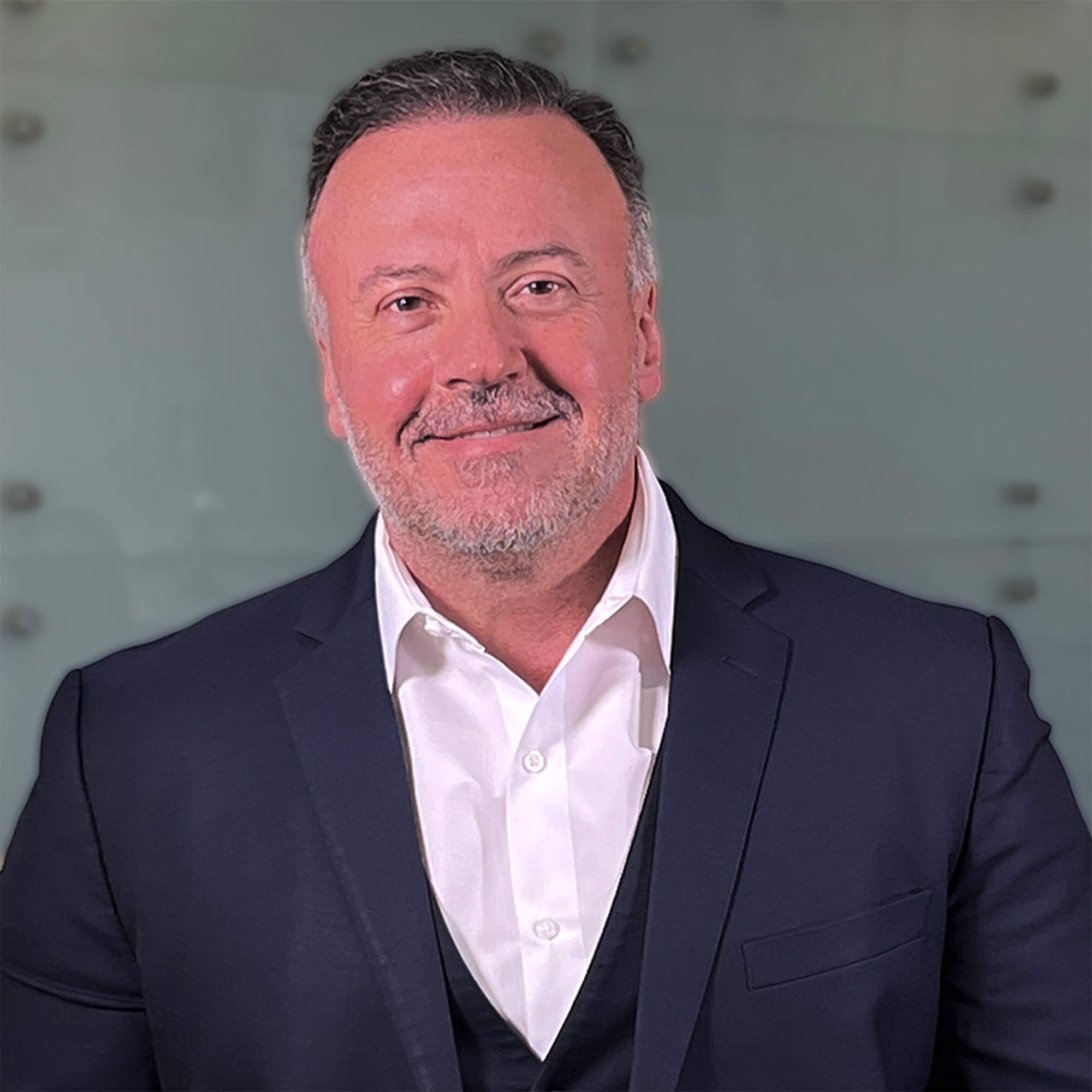
Written by
Cosmetic Surgeon, Board-Certified Urogynecologist
Fellow of the American Academy of Cosmetic Surgeons; Fellow of the American College of Obstetricians and Gynecologists. Medical Degree: University of Miami School of Medicine; Residency: Orlando Regional Healthcare System as Chief Resident.
Our board-certified team offers personalized, judgment-free consultations to help you decide what's right for you.
RECENT POST
BROWSE BY CATEGORY
VISIT US
527 Odd Fellows Road STE B
Crowley, LA 70526
(337) 514-4369
Mon – Thu 8:00 – 5:00
Friday 8:00 – 12:00
%20(SM).png)
(sm).png)
(SM).png)