Acadia Women's Health
August 26, 2026
min read

Recovery is often the biggest question for women planning a breast augmentation. The procedure itself is well understood, but it is harder to find clear information about what the days and weeks afterward actually involve.
The good news is that recovery follows a fairly predictable path, and satisfaction with the procedure is high: in one study, 98 percent of patients said their results met or exceeded their expectations.
At Acadia Women's Health in Crowley, Louisiana, we walk women across Acadiana through this recovery every week. So we wrote the day-by-day roadmap we wish every patient had on day one. This guide covers your timeline, activity limits, incision care, pain and sleep, and the warning signs that mean you should call us.
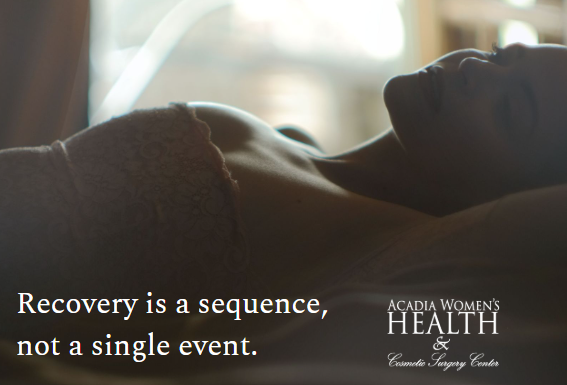
Recovery is a sequence, not a single event. Your body moves through fairly consistent stages, and knowing what each one looks like takes a lot of the fear out of the process. Breast augmentation is one of the most common cosmetic surgeries in the world, so this path is very well understood.
The first 24 to 72 hours are the peak of soreness, tightness, and swelling. You will feel tired and sore, and you will want a driver, easy meals, and permission to rest. This is the acute phase, and it passes.
During the first week, the sharp soreness eases into a manageable ache, and many women step down from prescription medicine to over-the-counter pain relief. By weeks two and three, most of the early swelling has come down and daily life feels far more normal.
Between weeks four and six comes the "drop and fluff" phase. Your implants start high and tight on the chest, then gradually drop into position as the muscles relax and the tissue softens around them. It is one of the most reassuring parts of recovery to understand, because early results are not final results.
The table below maps the arc from surgery day to month six.
Time period
What is happening
What most women can do
Days 1 to 3
Peak swelling, tightness, and soreness
Rest, short walks around the house, take medication on schedule
Week 1
Sharp soreness eases to a dull ache
Light daily activities, often back to a desk job near week's end
Weeks 2 to 3
Early swelling comes down noticeably
More normal routine, still no lifting or strain
Weeks 4 to 6
Implants begin to "drop and fluff"
Gradual return to more exercise as cleared
Months 2 to 3
Swelling largely resolved, shape settling
Most activity resumes, including fuller workouts once cleared
Months 3 to 6
Final settling, scars maturing
Enjoy your final result as it fully takes shape
Scars fade slowly over this whole window and beyond, turning from pink to pale over many months. Give it time. The slow fade is just part of healing.
The activity rules can feel strict, but each one has a simple job. They keep pressure off your healing tissue so your result settles cleanly, without bleeding or extra swelling. Think of them as guardrails, not punishments.
For the first two weeks, keep lifting light, generally nothing heavier than about five pounds, which is roughly a gallon of milk. This is the rule women underestimate most, because a laundry basket or a toddler both weigh far more. Plan ahead so you are not tempted.
Raising your arms overhead is limited early on, since it pulls on the same muscles that are healing. Gentle movement is encouraged, but big overhead reaches wait until your care team clears them. Light lower-body movement, like short easy walks, actually helps by keeping your circulation up.
Cardio and chest-focused workouts come back in stages. According to the ASPS, heavy lifting and full chest workouts generally wait until around six weeks, when most patients are cleared for all exercise. A supportive, wireless bra during this whole phase protects your result while you ease back in.
Our practice was built by Dr. Gonzalez and Dr. Owens, and our surgeons give you a personalized timeline at your follow-up visits. You are never left guessing about what is safe.
Schedule your free consultation before surgery to walk through your exact activity plan. You can also ask about flexible financing through Cherry, Affirm, and CareCredit while you are there.
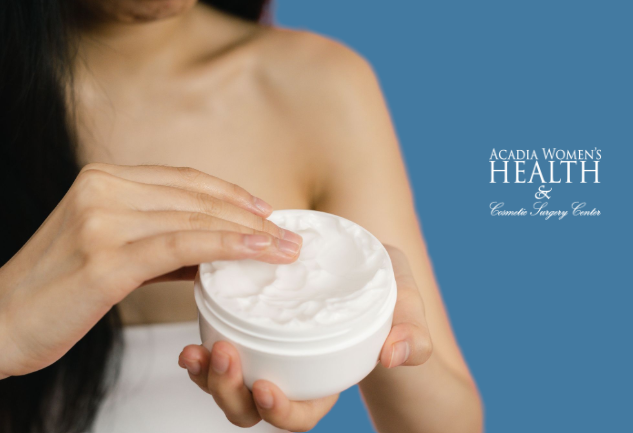
Good incision care is mostly about leaving things alone and following your instructions closely. Your incisions sit in the fold under the breast, where the scar stays hidden. Protecting them in the early weeks pays off in a cleaner, flatter line later.
Wear your surgical support bra as directed, day and night in the first weeks. It is not just for comfort. It holds everything in a stable position while your body heals and your implants settle. Keep your dressings and surgical tapes in place, and resist the urge to peek under them or clean the area aggressively.
You can usually shower a couple of days after surgery, and research supports that early timing. One randomized trial found that showering about 48 hours after a procedure did not raise the risk of wound problems. Follow the specific timing your care team gives you, keep the water gentle, and pat the area dry.
Your detailed aftercare instructions come on paper in your pre-op packet, so keep that packet somewhere easy to find. Our team at Acadia Women's Health talks through scar care with you before surgery and checks on your healing at every follow-up visit. You are never left to figure it out alone.
If you need to reach us between visits, you can message the team or check your records and forms through the patient portal. It keeps a direct line open while you heal.
One patient at our Crowley office felt reassured that her results would keep improving well past the early weeks.
"Dr. Balder performed my breast augmentation. He listened to my concerns and gave me advice pertaining to the procedure. Now at only a few weeks postop, I am 100% happy with my results now and they will continue to get better with time."
Pain after breast augmentation or a breast lift is real but usually very manageable, and it drops off faster than most women expect. The goal is to stay ahead of it rather than chase it, which keeps you comfortable enough to rest and move gently.
Take your pain medication on the schedule your care team gives you, especially in the first few days. Staying on schedule keeps the discomfort steady and low instead of letting it spike. Many women move from prescription medicine to plain over-the-counter relief within the first several days.
That tight, heavy feeling across your chest is normal and expected. It comes from swelling and from muscles that were gently moved during surgery, and it eases as the implants settle and the swelling comes down. It is not a sign that something is wrong.
Sleep on your back, propped up on a couple of pillows or in a recliner, for the first few weeks. The slight elevation reduces swelling and keeps pressure off your chest. Your care team will let you know when you can return to sleeping flatter or on your side. That is usually once you are well into healing and comfortable.
Most of recovery is uneventful, and the vast majority of what feels strange is simply normal healing. Still, knowing the few real warning signs gives you peace of mind, because you will know exactly when a call is worth making. When in doubt, it is always okay to check in.
Call the office at 337-785-2006 if you run a fever, notice increasing redness, warmth, or spreading swelling around an incision, or see unusual drainage. These can point to an infection that needs prompt attention. A little swelling and bruising is expected. A rapid, one-sided change is not.
Sudden shortness of breath, chest pain, or swelling and pain in a leg are different. Those are urgent, and you should seek emergency care right away rather than wait. They are uncommon, but they are worth knowing.
Some things look alarming and are completely normal. Implants that sit high and firm, or one breast that settles a little faster than the other, are expected early on. Our own guide on why implants sit high after surgery explains this settling in plain terms.
Reach out if one breast looks dramatically different after the first few weeks, or if nothing has changed at all after three to four months. Avoiding nicotine and smoking matters here too, because both starve your healing tissue of oxygen. Cosmetic surgery patients at Acadia Women's Health are given the surgeon's personal cell, so you always have a direct line when something worries you.
Adelaide felt supported through the part that scared her most.
"I was very anxious about the actual surgery part because I haven't had a surgery in so long and he held my hand every step of the way and kept the most infectious positive attitude as well."
Remember that quiet worry about what the days after surgery would feel like. Now you have the map. Recovery from breast augmentation is a steady, week-by-week return, and each stage moves you closer to the result you pictured.
If you want to see how that result looks once everything settles, browse real before-and-after photos.
When you are ready to talk it through, reach out to our team. There is no rush and no pressure.
At Acadia Women's Health, we care for women across Acadiana with honest answers and time to ask every question. When you are ready, call us at 337-785-2006, and we will help you feel like yourself again.
Wait until you are fully off prescription pain medication and can move your arms comfortably enough to react and steer safely. For many women that is several days to about a week. Always follow the specific guidance your care team gives you at your follow-up.
Most women can shower a couple of days after surgery, but the exact timing depends on your dressings and your care team's instructions. Keep the water gentle, avoid soaking the incisions, and pat the area dry rather than rubbing.
Plan to sleep on your back, slightly propped up, for the first few weeks. Side and stomach sleeping put pressure on healing tissue and settling implants. Your care team will tell you when it is safe to change positions, usually once you are comfortably into healing.
For about the first two weeks, keep it light, generally under five pounds. That is lighter than a full laundry basket or a toddler, so arrange help in advance. Lifting limits ease gradually as you heal and only once you are cleared.
Most women wear a surgical or wireless support bra day and night for the first few weeks, then continue supportive wear as directed. The bra holds your implants in a stable position while they settle, so wearing it consistently protects your result. Your care team will confirm your timeline.
This is normal and temporary. Right after surgery, muscle tightness and swelling hold the implants high and firm. As your muscles relax and swelling fades, they gradually "drop and fluff" into a softer, more natural position over the following weeks and months.
Skip underwires and push-up styles in the early weeks, because the wire can press on healing incisions. Most women transition back once their incisions are well healed and the care team gives the go-ahead. That is often around six weeks or later, depending on your healing.
Yes, this is very common. The two sides often settle at slightly different speeds, and they usually even out as healing continues. If one side looks dramatically different after the first few weeks, check in with us for reassurance.
Many women return to a desk job in about a week, as long as they can work comfortably and stay off heavy lifting. A physically demanding job that involves lifting or overhead reaching usually needs several weeks. Talk with your care team about your specific work.
Showering comes first, but soaking is different. Avoid baths, hot tubs, and pools until your incisions are fully closed and your care team clears you, often several weeks out. Submerging too early raises the risk of infection while the incisions are still sealing.
Disclaimer: This article is for general educational purposes only and is not medical advice. Reading it does not create a physician-patient relationship. Every patient is different, individual results vary, and no outcome is guaranteed. Talk with a qualified physician about your specific situation before making any treatment decision.
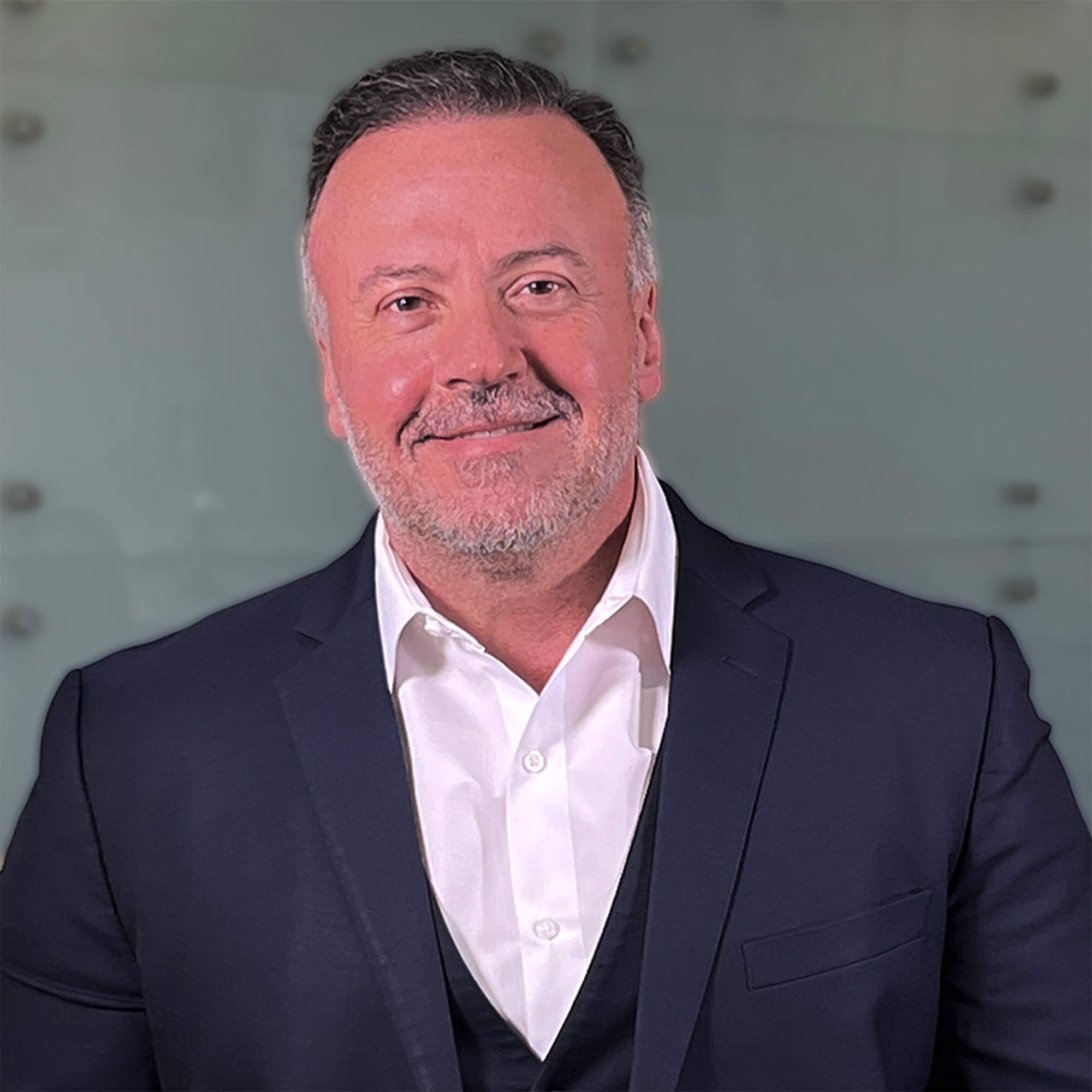
Written by
Cosmetic Surgeon, Board-Certified Urogynecologist
Fellow of the American Academy of Cosmetic Surgeons; Fellow of the American College of Obstetricians and Gynecologists. Medical Degree: University of Miami School of Medicine; Residency: Orlando Regional Healthcare System as Chief Resident.
Our board-certified team offers personalized, judgment-free consultations to help you decide what's right for you.
RECENT POST
BROWSE BY CATEGORY
VISIT US
527 Odd Fellows Road STE B
Crowley, LA 70526
(337) 514-4369
Mon – Thu 8:00 – 5:00
Friday 8:00 – 12:00
%20(SM).png)
(sm).png)
(SM).png)