Acadia Women's Health
November 17, 2026
min read
Labiaplasty is not one operation. The labia majora are the outer, fuller folds of the vulva, made of skin with a layer of fat underneath, and the labia minora are the thinner inner folds. Reducing one is a different surgery from reducing the other, with different incisions, a different recovery and different things to watch for. Most of what you read about labiaplasty covers the inner labia, so if the outer labia are your concern, the answers can feel aimed at someone else, and that frustration is fair.
Surgeons reported 210,633 labiaplasty procedures worldwide in 2024, according to the International Society of Aesthetic Plastic Surgery, up 48.2 percent from 2020. Those counts do not separate outer-labia surgery from inner-labia surgery, which is part of why labia majora reduction gets so little clear explanation.
At Acadia Women's Health in Crowley, Louisiana, we perform labiaplasty in our own surgical suites for women across Acadiana, and the outer labia are part of that conversation. This article explains what labia majora reduction is and who it helps, how it differs from labia minora surgery, what surgery day and recovery look like, the risks, and how the consultation and cost work.
Labia majora reduction, sometimes called majoraplasty, is surgery that makes the outer labia smaller or tighter. The labia majora are the two outer folds that sit on either side of the vulva. They have hair-bearing skin on the outside and a cushion of fat underneath, which is what gives them their fullness.
Most labiaplasty articles are about the thinner inner folds, the labia minora. A search for labia majora surgery is usually about a different set of concerns.
Those concerns tend to fall into two groups. Some women have outer labia that are fuller than they would like, which can rub against each other or show through leggings, swimsuits and fitted jeans. Others notice the opposite as they get older or after weight loss, when the outer labia lose volume, the skin loosens and the area looks and feels deflated.
Pregnancy and childbirth can stretch the tissue, menopause lowers the estrogen and fat that keep it full, and a big weight change can leave extra skin or add fullness. None of that is a failing on your part. It is the normal way this tissue changes over a lifetime, and it is one of the most common reasons women bring the topic up.
Reasons women consider it usually include:
Before any cosmetic surgery here, a gynecologic exam matters. Itching, burning, pain with sex, unusual discharge or a spot that has changed should be looked at first, because a skin condition or an infection needs treatment before an elective operation. Reducing the labia treats size and shape. It does not treat those problems, and it does not promise better sexual function, which is exactly what ACOG, the professional body for gynecologists, says in its guidance on cosmetic genital surgery.
A realistic expectation is a more comfortable, more balanced outer labia, with some swelling for weeks and a scar that fades into the natural crease. In a small study that followed 25 women, reported in the International Urogynecology Journal, 96 percent rated their genital appearance as improved three months after labiaplasty. Perfect symmetry is not the goal, because the two sides were never identical to begin with.
At Acadia Women's Health, the gynecologic exam and the cosmetic conversation happen under one roof, in a practice where labia, discharge and sex are ordinary topics. If bringing this up feels awkward, you are far from the only one, and there is no need to rehearse it.
The short answer is that they treat different tissue for different reasons, so the surgery is planned differently. Labia minora surgery reduces the inner folds, most often because they hang past the outer lips and get pulled, pinched or irritated. Labia majora reduction reshapes the outer folds, either to reduce fullness or to tighten loose skin.
That difference in goal changes the technique. For the inner labia, surgeons remove tissue along the free edge (a trim) or take a wedge out of the middle so the natural edge is kept. For the outer labia, there are two main tools, and the exam decides which one fits.
If the issue is mostly fat and the skin still has good stretch, a thin tube can remove some of the fat through tiny openings, much like fat removal elsewhere on the body. If the issue is loose or extra skin, the surgeon removes a crescent of skin from the inner side of each outer lip. That places the scar in the crease between the outer and inner labia, where it is hard to see once healed.
Procedure
What it treats and why
Incision and technique
What surgeons watch for
Labia majora reduction
Outer folds (skin plus the fat under it), for fullness or loose, deflated skin
Crescent of skin removed from the inner side, gentle fat removal through tiny openings, or both
Bruising, blood collecting under the skin, swelling that lingers, taking too much
Labia minora reduction
Inner folds (thin skin), for protrusion, pulling and irritation
Trim along the free edge, or a wedge from the middle
Edge healing, wound separation, scar sensitivity
The two also carry different risk profiles. The outer labia have a rich blood supply, so bruising and a pocket of blood under the skin are what surgeons plan around. The inner labia are thin, so edge healing and wound separation get the most attention there. In a 2024 review of 86 studies indexed on PubMed, overall satisfaction after labiaplasty was 94 percent, with wound separation after the wedge technique reported at about 8 percent.
Both are usually outpatient procedures, done under local anesthesia with a sedative or under general anesthesia, and recovery follows a similar shape for each.
Some women have both concerns at once, inner labia that protrude and outer labia that are loose. In that case the two procedures can be combined in one surgery under one anesthetic, which means one recovery instead of two. Fat transfer is the other combination that comes up, where a small amount of fat is moved into deflated outer labia rather than removed. Which plan makes sense depends on your anatomy, and that is what the exam is for.
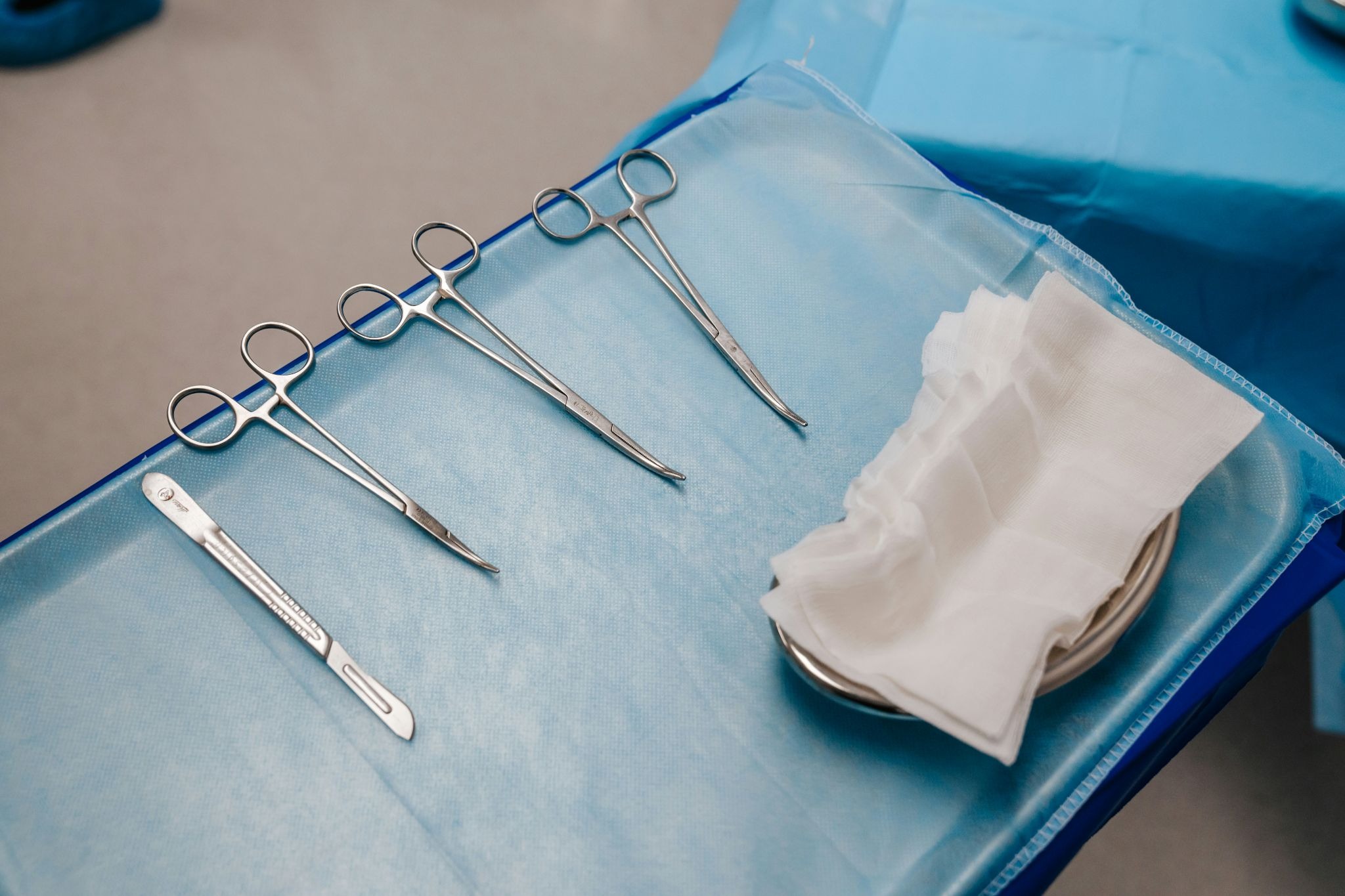
The operation starts before the first incision, with an exam and markings. Your surgeon looks at how much extra skin or fat there is, whether the two sides match, and how the outer labia sit in relation to the clitoris and the vaginal opening. The plan is marked on the skin before any numbing medicine goes in, because the numbing solution itself can puff up the tissue and hide the true shape.
Many surgeons do this under local anesthesia with a light sedative, and some prefer general anesthesia, especially for combined procedures. Under local anesthesia, the area is numbed and you are awake but comfortable. Under general anesthesia, you are asleep and feel nothing.
We use tumescent anesthesia, a local numbing solution, for some procedures in our office, and other forms of anesthesia given by a certified registered nurse anesthetist when a procedure calls for it. Your surgeon talks through which option fits your surgery before the day arrives. Either way, you go home the same day with someone to drive you.
For a skin reduction, the surgeon removes the marked crescent of skin, and often a little of the fat beneath it, from the inner side of each outer lip. Bleeding is controlled carefully before closing, because this tissue has a generous blood supply. The incision is then closed in layers with dissolvable stitches, so nothing needs to be pulled out later.
When the concern is fullness rather than loose skin, gentle fat removal through tiny openings may be all that is needed. Throughout, the surgeon works to protect the clitoris and its hood, the vaginal opening, and the nerves and small blood vessels that run through the labia. Taking too much is the mistake experienced surgeons guard against most, because over-reduction can pull the vaginal opening wider or leave the area dry and irritated.
An outer-labia reduction on its own usually takes about an hour to two hours, and longer when combined with inner-labia surgery. A conservative plan protects sensation and comfort, which matter far more than any extra millimeter removed.
At our Crowley office, Dr. Michelle Owens performs our cosmetic vaginal procedures, including labiaplasty. She is board certified in obstetrics and gynecology by the American Board of Obstetrics and Gynecology, an ABMS member board, and a Fellow of the American Academy of Cosmetic Surgery. She has cared for women in Crowley since 1999. Cosmetic procedures here take place in our three accredited in-office surgical suites, where our team has performed more than 5,000 procedures.
Brentney was nervous about being awake for her procedures, and she was glad she went ahead.
"I was really nervous about doing my procedures awake but it was soooo worth it. If you have been sitting on whether or not to book the surgery, just go ahead and book it with them. Acadia Women's Health is hands down the best, they truly care. I did Breast Augmentation and LabiaPlasty."
The first 48 hours are the most uncomfortable part. Expect swelling, bruising and a tender, heavy feeling, along with some blood-tinged spotting on a pad. Swelling usually peaks around day two or three and then starts to ease, and most women describe the pain as sore rather than sharp, manageable with the medicine you are sent home with.
Rest matters more than anything else in that first stretch. Lie down or recline rather than sitting upright for long, and use a cold pack wrapped in a cloth for about 20 minutes at a time. Wear loose cotton underwear with a pad rather than anything fitted. After you urinate, rinse the area with warm water and pat dry instead of wiping.
Showering is usually fine after the first day or two, but soaking in a tub, pool or hot tub waits until the incisions have sealed, generally three to four weeks. Use only the ointment you were given, and check with the office before adding any pain reliever, since some over-the-counter options can increase bleeding.
Stage
What to expect
What you can usually do
First 48 hours
Peak swelling, bruising, spotting and soreness
Rest, cold packs, short walks around the house
Days 3 to 7
Swelling and pain ease noticeably by the end of the week
Desk work from home if you feel up to it, gentle walking
Weeks 2 to 4
Most bruising gone, incisions sealing, less tenderness
Return to work, drive once you can sit comfortably and are off prescription pain medicine
Weeks 4 to 6
Incisions healed, swelling mostly settled
Exercise, cycling and swimming once your surgeon clears you, sex usually after six weeks
Months 3 to 6
Leftover swelling and scar firmness fade
Judge your final result, since outer-labia swelling takes longer to settle fully
Most women take about a week off work, and longer for jobs with heavy lifting or long stretches of sitting. Give the outer labia three to six months before judging the result, because the fat layer holds swelling longer than the thin inner labia do.
Managing the kids, the house or a job during that first week is the worry many women name first, and it is worth planning for. A few days of real rest, a driver for the first visits and loose clothes you can live in make the difference.
At Acadia Women's Health, your post-op instructions come home with you on paper in your pre-op packet, so you are not hunting for them at midnight. Our cosmetic surgery patients get the surgeon's personal cell number, so a question about swelling or spotting gets a real answer instead of a wait. Scar care is something we talk through before surgery and check on as you heal.
Follow-up visits usually fall in the first week or two and again around four to six weeks, and the dissolvable stitches take care of themselves. Between those visits, you can message the team or manage your appointments through the patient portal, the online account for appointments, records and forms.
If you want a sense of what healed results look like, our labiaplasty before-and-after gallery shows real patients rather than stock images, which is a better guide than any timeline.
Every surgery carries some risk, and the honest list for this one is short and mostly manageable. In the first days, the things surgeons watch for are bleeding, a pocket of blood collecting under the skin, infection and a small area of the incision opening. The outer labia have a generous blood supply, which is why careful control of bleeding before closing matters so much. It is also why one-sided swelling that gets worse instead of better is the sign to call about.
Serious problems are uncommon. In a database study of 1,648 labiaplasty patients published in the American Journal of Obstetrics and Gynecology, 1.4 percent needed a return to the operating room and 1.2 percent were readmitted within 30 days. Put another way, roughly 98 in 100 healed without either.
Most of what happens after surgery is ordinary healing. Swelling, bruising and tenderness fade on their own, and the body does most of the work if you let it rest.
Over the longer run, the concerns are about shape and feeling. A scar can stay firmer or more visible than hoped, the two sides can heal a little unevenly, and some women notice numbness or extra sensitivity for a few months as the nerves settle. A 2024 review of nine long-term studies in Aesthetic Surgery Journal covering 748 patients found asymmetry in about 6 percent, visible scarring in under 2 percent and a revision in under 6 percent. Most women healed without any of them.
Taking too much tissue is the risk experienced surgeons plan around most carefully. Over-reduction can leave the outer labia looking pinched, expose the vaginal opening so the area feels dry or irritated, or pull on the tissue during sex. Taking too little leaves the fullness or rubbing that brought you in, which is the more fixable of the two, since a small touch-up is possible once you are fully healed.
Call your surgeon the same day if you notice any of these:
Results are long-lasting but not frozen in place. A large weight change can deflate or loosen the tissue again, pregnancy and childbirth stretch it, and aging keeps shifting fat and skin the way it does everywhere else. Most surgeons suggest waiting until your weight is stable and you have thought through the timing of any future pregnancy, which protects the result you are paying for.
If something does need adjusting, revision is possible once everything has healed, usually after six months. Revision can improve leftover fullness or unevenness, though it cannot put back tissue that was removed, which is one more reason a careful first operation matters. Go in knowing the limits, and you are far more likely to come out glad you did it.
It starts with a free consultation, and that visit does two jobs at once. You are finding out whether the surgery fits you, and you are deciding whether you trust the people offering it. Both are fair things to be weighing.
The visit is one-on-one with one of our providers. You talk through what bothers you, whether that is rubbing, fullness, looseness or simply how the area looks. A private exam lets the provider see whether the issue is fat, skin or both. From there you get an honest take on what surgery can change, what it cannot, and what recovery would look like for your life.
You might be wondering, "How do I know they will listen, and not just steer me toward surgery?" That is a fair question, and it is exactly why the first visit is a conversation rather than a sales pitch. Nobody expects you to decide that day.
Wherever you go, a few questions separate a good plan from a rushed one. Ask who performs the surgery and how often they do this specific procedure. Ask where it is performed and whether that facility is accredited, how the surgeon decides how much to remove, and what happens if you need a touch-up. Clear, unhurried answers are what you are looking for.
Barbara found that her consultation started with her, not her procedure.
"When the doctor comes in at the consultation and says 'tell me about yourself, and I don't mean about why you are here today', it makes it so much more personal. After meeting with Dr. Owens, and being made to feel like I MATTER, the decision to have a surgery that improved how I see myself has been life changing! The staff and physicians really care. I have already recommended this clinic to family and friends."
Cost is the other half of the conversation, and it deserves a straight answer. Labia majora reduction does not have one fixed price, because the surgery is planned around your anatomy. What moves the number is how much tissue is being treated and whether fat removal and skin removal are both needed. Combining it with inner-labia surgery or a fat transfer, the type of anesthesia and how long the operation takes all add to it.
That is why the number comes from the consultation rather than the phone. The free consultation includes a private exam, so you leave with a personalized estimate built around your plan.
If paying all at once is not realistic, financing options at Acadia Women's Health include Cherry, Affirm and CareCredit, and Cherry offers 0 percent APR options for those who qualify with no hard credit check. We also offer an in-house layaway plan. A non-refundable deposit holds your surgery date and comes off your total, with the balance due before your pre-op appointment.
Labiaplasty is not one operation, and if the outer labia are your concern, you now know why so much of what you read did not quite fit. Labia majora reduction treats the skin and fat of the outer folds, heals on its own timeline, and carries its own short list of risks. Most of those are avoidable with a conservative plan and careful aftercare.
A sensible next step is to look at real healed results in our before-and-after gallery. After that, the free consultation is the only place a real answer about your anatomy and your cost can come from, and nothing about that visit commits you to surgery.
At Acadia Women's Health in Crowley, we understand the body you have and the body you want, and we talk about intimate concerns plainly and without judgment. If something about this area bothers you, that is a good enough reason to come in and ask.
When you are ready, reach out to our team or call 337-514-4369. There is no pressure and no deadline, just a conversation whenever it suits you.
Labia majora reduction, or majoraplasty, is surgery that makes the outer labia smaller or tighter. The surgeon removes a crescent of extra skin, gently removes some of the fat underneath, or does both, and closes with dissolvable stitches. It is usually an outpatient procedure.
Majora surgery treats the outer, hair-bearing folds, while minora surgery treats the thin inner folds, usually by trimming the edge or removing a wedge. The incisions sit in different places, and the outer labia tend to hold swelling longer because of their fat layer. The two can be done separately or in the same surgery.
Yes, and the plan depends on which one you have. Extra fat with skin that still has good stretch can be reduced through tiny openings, while loose or sagging skin needs a strip of skin removed. Deflated outer labia are a different problem, and for those a small fat transfer to add volume may fit better than a reduction.
Either can be used. Many surgeons use local anesthesia with a light sedative, which numbs the area while you stay awake but comfortable, and general anesthesia is more common for combined procedures. In our office, your surgeon talks through the right fit for your surgery.
Most women describe the first few days as sore and swollen rather than sharply painful, and it is manageable with the medicine you are sent home with. Cold packs, rest and loose clothing help more than people expect. Pain that gets worse instead of better, especially on one side, is the kind to call about.
Swelling peaks in the first two or three days, improves noticeably by the end of the first week and is mostly settled by about six weeks. The outer labia can hold some swelling for three to six months because of the fat layer, so the final shape takes time. Judge your result at the later end of that window, not the earlier one.
Most women take about a week off. A desk job from home may work sooner if you feel up to it, while jobs with heavy lifting or long hours of sitting may need closer to two weeks. Ask your surgeon before pushing it.
Walking is encouraged early, but exercise, cycling, running and swimming wait until the incisions have sealed, usually four to six weeks. Sex waits until your surgeon has checked the incisions, and six weeks is the common guideline. Going slowly here protects the result you waited for.
Some numbness or extra sensitivity around the incision is common for a few months as the nerves settle, and it usually fades. Lasting changes to sensation or pain with sex are uncommon, and a conservative plan that leaves the clitoris, its hood and the vaginal opening untouched is the main protection. The surgery is not designed to improve sexual function, so expect comfort and appearance changes, not more than that.
Yes. When both the inner and outer labia are concerns, they are often treated in one surgery under one anesthetic, which means one recovery. Fat transfer fits a different situation, where the outer labia are deflated and need volume added rather than taken away. An exam is where those combinations get sorted out, so ask your surgeon which one fits your anatomy.
Disclaimer: This article is for general educational purposes only and is not medical advice. Reading it does not create a physician-patient relationship. Every patient is different, individual results vary, and no outcome is guaranteed. Talk with a qualified physician about your specific situation before making any treatment decision.

Written by
Cosmetogynecology, Board-Certified Gynecologist
Fellow of the American Academy of Cosmetic Surgery; Fellow of the American Academy of Facial Esthetics; Fellow of the International Society of Cosmetogynecology (ISCG). Medical Degree: University of Mississippi School of Medicine; Residency: Orlando Regional Healthcare System as Chief Resident.
Our board-certified team offers personalized, judgment-free consultations to help you decide what's right for you.
RECENT POST
BROWSE BY CATEGORY
VISIT US
527 Odd Fellows Road STE B
Crowley, LA 70526
(337) 514-4369
Mon – Thu 8:00 – 5:00
Friday 8:00 – 12:00