Acadia Women's Health
November 11, 2026
min read

Breast implants are not built to last a lifetime, but there is no calendar date that says yours have to come out. Revision surgery happens for a reason, not because a certain number of years has passed. Sometimes the reason is a change you can see or feel, like firmness, a shift in position, or a leak. Sometimes it is simply that what you wanted at 25 is not what you want now, and that is a fair reason too.
In its 2025 statistics report, the American Society of Plastic Surgeons counted 45,773 breast implant removals among augmentation patients in a single year. Many of those women had new implants placed in the same surgery. Taking a second look at older implants is a routine part of living with them.
At Acadia Women's Health in Crowley, Louisiana, we help women across Acadiana figure out whether a change in their implants needs attention, and what to do if it does. This article covers the reasons women seek breast implant revision, what the surgery can do, how it is planned, what recovery looks like, the risks, and the cost.
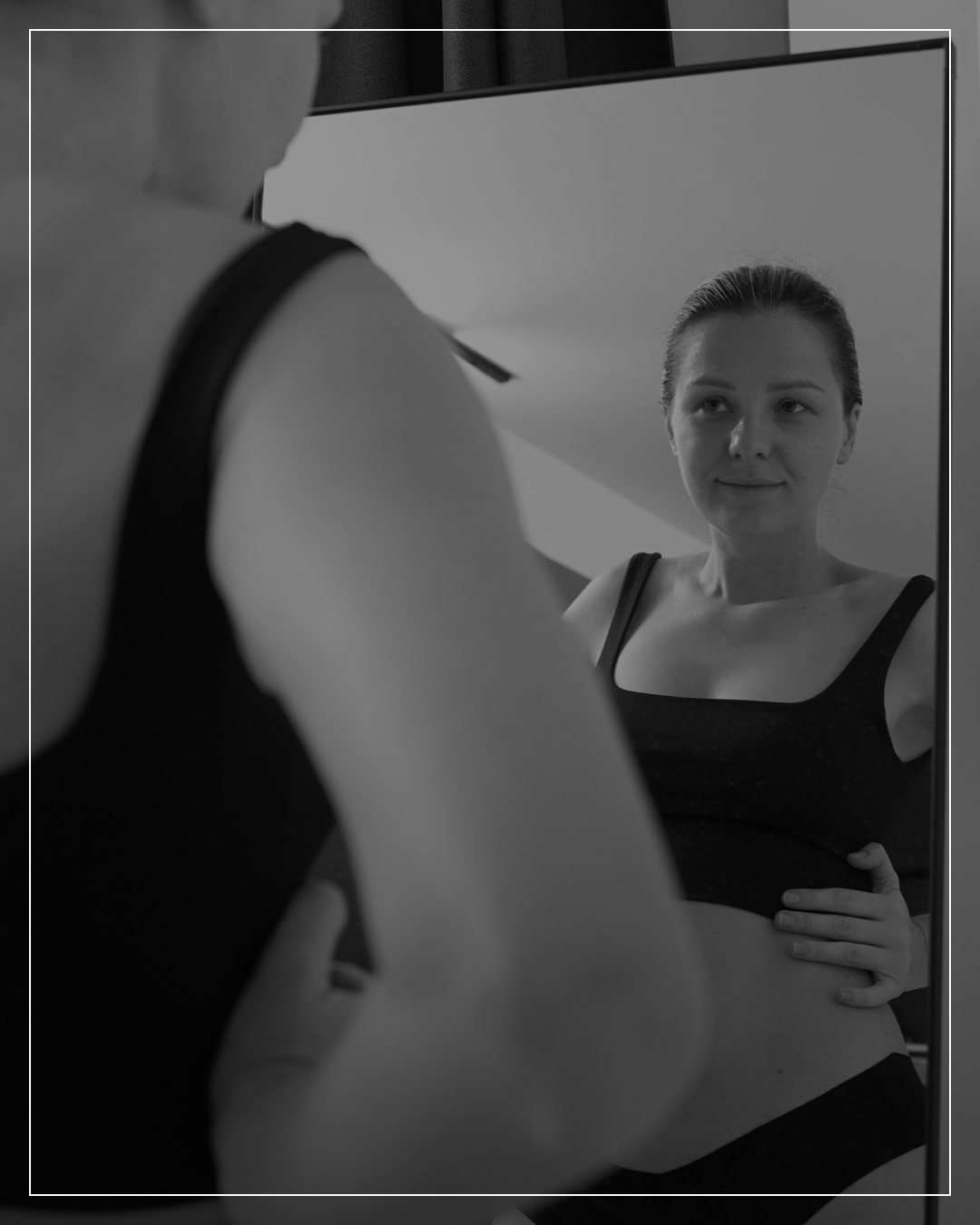
Most women who come in about their implants are not unhappy with the decision they made years ago. Something has changed, either in the implant, in the breast tissue around it, or in what they want from it. Knowing which of those it is tells you a lot about what kind of revision, if any, makes sense.
Age alone is not the trigger. The FDA describes implants as devices that will likely need to be removed or replaced at some point, and many women choose to exchange them somewhere around the 10-year mark. That is a pattern, not a rule. An implant that looks and feels right at 12 years does not need to come out because of its birthday.
The physical reasons are easier to name. A saline implant that leaks deflates visibly within days, because the body absorbs the saltwater. A silicone leak is quieter and often shows up only on imaging.
Capsular contracture is the scar tissue around an implant tightening until the breast feels firm or looks distorted. It is one of the most common reasons for a second surgery. The American Society of Plastic Surgeons estimates that some degree of it affects about one in six patients.
Then there are the changes life makes. Pregnancy, breastfeeding, a big weight change, and menopause can all stretch or thin the breast tissue over an implant that has not moved at all. The implant is fine, but the breast around it has settled lower or lost fullness, and the answer is often a breast lift or a different implant rather than a repair.
Reason for revision
What you might notice
What revision can do
Saline deflation or silicone rupture
One breast smaller, a change in shape, or a finding on imaging
Remove and replace the implant, or remove it for good
Capsular contracture
Firmness, a high or round look, tightness or aching
Release or remove the scar tissue, often with a new implant
Shifting or bottoming out
The implant sits too low, too far out, or the two sides look uneven
Reshape and tighten the implant pocket
Rippling or a visible edge
Waves or the implant edge showing, often at the side or top
Change implant type or position, or add tissue coverage
Pregnancy, weight change, or aging
The breast has dropped or looks empty above the implant
A lift, a different implant size, or both
A change in what you want
Wanting smaller, larger, softer, or no implants at all
Exchange, downsize, or removal without replacement
A smaller group of women want their implants out because of symptoms they connect to them. The FDA does not recognize breast implant illness as a formal diagnosis, but wanting your implants out is a legitimate reason on its own. Sorting out which of these applies to you is the first job, and it starts with an exam rather than a guess.
Dr. John Gonzalez, MD, FAACS, FACOG, is board certified in obstetrics and gynecology by the American Board of Obstetrics and Gynecology, an ABMS member board. He is also a Fellow of the American Academy of Cosmetic Surgery.
He performs breast augmentation and breast revision in our Crowley office. An exam is what separates normal settling from a real change, and not being sure which one you are looking at is reason enough to come in.
Breast implant revision is a family of procedures, not a single operation. The right one depends on what changed, and a good plan often combines two of them. Here is what each option does, and when it tends to fit.
An exchange removes the old implant and places a new one in the same pocket. It fits best when the pocket is still in good shape and the problem is the device itself, such as a rupture, an aging implant, or a size you no longer want.
Exchange alone is less likely to fix a pocket that has stretched, dropped, or tightened. Those problems need pocket work as well, which is why the exam matters more than the implant catalog.
When an implant has bottomed out, drifted toward the armpit, or sits too high, the pocket is the problem. Your surgeon can tighten it with internal stitches, close off part of it, or create a fresh pocket in a better position.
If your implants sit above the muscle, moving them below it can also help with rippling. The muscle adds a layer of coverage over the implant, which is why implants at our office are placed below the muscle.
Every implant grows a thin capsule of scar tissue around it, and that is normal. When the capsule tightens, your surgeon can release it or remove part or all of it, which is called a capsulectomy.
Full removal is not always needed. In a study of 150 patients, partial and total capsule removal led to similar improvement, so the amount removed is decided for your specific situation.
Many revisions are about preference. Going smaller can ease neck and shoulder strain and suit a frame that has changed. Going larger adds fullness that pregnancy or weight loss took.
Switching from saline to silicone changes how the breast feels and moves, which matters if softness is what you are after. We place smooth, round implants, in saline or silicone, and the consultation is where you handle both and decide.
Some women are simply done with implants. Removal without replacement is a reasonable choice when you no longer want them, when you want to stop future implant surgeries, or when symptoms make keeping them feel wrong.
The breast will be smaller and may sit lower afterward, so many women pair removal with a lift. Some practices also offer fat grafting, where fat from another part of the body is used to soften the contour after removal. That is worth asking about if it interests you.
A breast lift raises breast tissue and repositions the nipple. It belongs in the plan when the tissue has dropped over the implant, when the nipple points down or sits below the fold, or when an exchange or removal would leave the skin loose.
At Acadia Women's Health, breast augmentation and breast lift are done under one roof, so a revision with a lift stays with one team from planning through follow-up. Pairing a smaller implant with a lift is one of the most common combinations we see in women whose implants are more than a decade old.
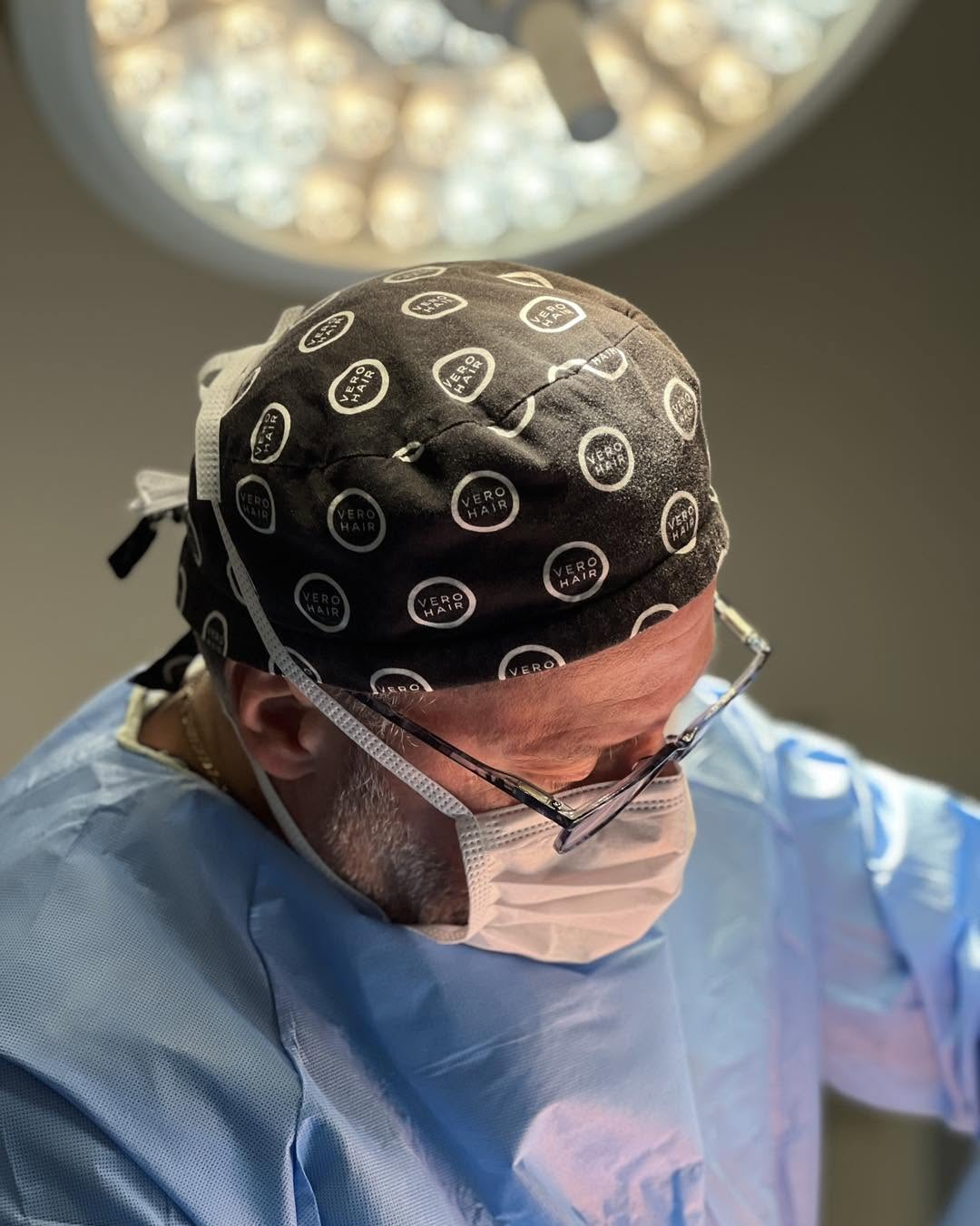
A revision is planned more carefully than a first augmentation, because there is history to work with. The visit starts with your story: when you had surgery, what implants were placed, and what has changed since. If you have your implant card or operative records, bring them, and if you do not, imaging can fill in most of the gaps.
At our Crowley office, the consultation is free and one-on-one with one of our providers. It is a two-way conversation. You get to ask about the options, the recovery, and the cost, and we get to look at what your tissue and skin can support now, with no pressure to decide that day.
Imaging is part of the plan whenever the implant itself is in question. For silicone implants without symptoms, the FDA recommends an ultrasound or MRI at 5 to 6 years after surgery and every 2 to 3 years after that.
If something has changed, ultrasound is usually the first step. In a 2024 study of 104 women, ultrasound caught 95 percent of ruptures, and MRI was used when the ultrasound could not give a clear answer.
Joetta came to us after complications from an augmentation done elsewhere, and her first appointment changed how she felt about the whole situation.
"I was fortunate that after reaching out to Acadia Women's Health, Dr. Gonzalez was willing to take on my revision. I felt a sense of hope after my first appointment with him. It has now been two weeks since my revision and I am BEYOND happy!"
The surgery itself follows the plan. An exchange or removal usually goes through the same incision as your first surgery, so it rarely adds a new scar. For our augmentation patients that incision is tucked into the fold under the breast.
A lift needs its own incisions around the areola and sometimes down to the fold, and your surgeon will show you exactly where they go. Most revisions are done under general anesthesia, where you are asleep and feel nothing. Your surgeon will talk through the right option for your plan.
Revision surgery is done in our own accredited surgical suites, and you go home the same day once you are cleared. Your surgeon also plans for surprises. If a capsule is thicker than expected, or an old rupture has left silicone in the pocket, the plan can adjust during surgery to clean the pocket and, when needed, delay the new implant.
Recovery after a revision feels familiar if you have been through augmentation before, with one honest difference. Where scar tissue was released or a lift was added, some areas take a little longer to feel normal. A simple exchange is usually the easiest of the options to recover from.
Expect soreness, tightness, and swelling for the first week or two, with bruising fading over the same stretch. Some women go home with a small drain for a day or two when a capsule was removed, and your surgeon will tell you beforehand if that applies to you. Your post-op instructions come home with you on paper in your pre-op packet, so you are not searching for them later.
Timeframe
What recovery often looks like
First few days
Rest, short walks around the house, help with kids and lifting
Week 1 to 2
Many women return to desk work and light daily routines
Weeks 3 to 6
Gradual return to exercise as your surgeon clears you, no heavy lifting yet
Months 2 to 3
Swelling settles and the implants drop into their final position
Months 6 to 12
Breasts soften further and scars keep fading
Your new implants will sit high and feel firm at first, especially after a pocket change. They drop and soften over the following weeks, in much the same way they did the first time. Our article on implants sitting high after surgery walks through that settling process.
Scar care is something we talk through before surgery and check in on as you heal. Results after revision hold up well in the research, too.
In one study that followed revision patients over time, women's satisfaction scores for their breasts rose from 51.8 before surgery to 84.4 at one year, and held at 81.7 at year four.
A few things are worth a call, not a wait. Pain that gets worse instead of better, a fever, spreading redness, one breast swelling suddenly, or a sudden change in size or shape all deserve a same-day check. Calling about something that turns out to be normal is never a bother, and between visits you can also message the team or check your records through the patient portal.
Any surgery carries some risk, and a revision carries a little more than a first augmentation, because the surgeon is working through healed tissue. The common issues are the ones you would expect: bruising beneath the skin, a small pocket of fluid the body reabsorbs, slower healing at an incision, and changes in nipple sensation. Most of these are minor and resolve with routine care.
Some problems can come back. Capsular contracture can return after it is treated, and an implant can shift again, especially where the tissue is thin. In two large studies covering 17,656 patients, contracture occurred in 2.3 to 4.1 percent, and an implant shifting out of place in 1.5 to 2.7 percent, across the groups studied.
Careful pocket work and a well-matched implant size lower those odds, which is why revision planning takes longer than a first surgery. It is also why a revision surgeon looks at your tissue thickness and skin, not just the implant you want.
Implants need ongoing attention after revision. The FDA recommends routine ultrasound or MRI for silicone implants beginning 5 to 6 years after surgery and every 2 to 3 years after that, even without symptoms. Regular exams make that simple, and any new swelling, firmness, or change in shape between those checks is worth a visit rather than a wait.
Most women find that once a revision addresses what was bothering them, the follow-up becomes part of ordinary care. In a three-year study of 88 revision augmentation patients, 87.5 percent reported being satisfied with the outcome.
It is fair to expect a revision to cost more than your first augmentation, and often it does. A revision can involve more planning, more time in the operating room, and more than one step in the same surgery. Knowing that up front lets you plan clearly instead of being surprised at the quote.
Several things shape the total. The biggest is what is being done: a simple exchange sits at one end, and an exchange plus capsule removal plus a lift sits at the other. The implant type, anesthesia, imaging before surgery, and the facility all add their share.
Cosmetic revision is an out-of-pocket procedure, and insurance generally does not cover it. That is why we offer flexible financing options through Cherry, Affirm, and CareCredit, plus in-house layaway. Cherry lets you apply without a hard credit check.
A good quote is written down and itemized. It should show the surgical fee, the facility, anesthesia, the implants, and your follow-up visits, so you can see what is included and ask about anything that is not. We do not quote a price over the phone, because the only honest number is one built around your plan, and that is what the free consultation is for.
One thing worth asking about is the manufacturer's warranty on your current implants. Most implant makers will replace a ruptured implant at no charge, and some offer financial help toward surgery for a rupture or severe contracture within a set number of years. Bring your implant card so the team can check.
Where the surgery happens matters to the price as well. Every revision at our Crowley office is done in our own accredited surgical suites, and the $500 facility fee is listed in your written quote, so there are no separate surgery-center charges to sort out later.
Adriana had been weighing whether to remove or replace her 11-year-old implants, and the in-house operating room was part of what made the cost work for her.
"It's so nice that there is an operating room and full operation staff that actually saves on the cost of your procedure, avoiding additional 3rd party fees. Everything is done at their office! So convenient! I could literally go on and on about how impressive this team and this place is! It is worth the short drive from Lafayette!"
Choosing the surgeon matters even more for a revision than it did the first time. Look for someone who does revisions regularly, will show you before-and-after photos of cases like yours, and operates in an accredited facility.
At Acadia Women's Health, we do revisions regularly and operate in our own accredited suites. Our 4.9-star rating across 710+ Google reviews comes from women across Acadiana, and you can read them before you ever call.
If you have been quietly wondering whether your implants need attention, you now know the answer is not on a calendar. It is in what you can see and feel, and in what you want. A breast augmentation revision can replace an implant, fix a pocket, ease scar tissue, add a lift, or remove implants for good, and the plan is built around which of those you need.
A gentle first step is to look before you decide. Our before-and-after gallery shows what natural revision results look like on real women.
When you are ready, reach out to our team for a free consultation, with no pressure to decide that day. It is a conversation about your options, and you leave with clearer answers either way.
At Acadia Women's Health in Crowley, we understand the body you have and the body you want, and we are glad to talk it through whenever you are ready. To schedule, call us at 337-514-4369.
The clearest signs are a change you can see or feel: one breast looking smaller or different, firmness or aching, an implant that has shifted, or rippling at the edge. A change in what you want is also a valid reason. An exam, and sometimes an ultrasound, tells you whether it needs surgery or just watching.
No. There is no rule that implants must come out at 10 years, and the FDA has not set a replacement deadline. Implants are not lifetime devices, and the chance of needing surgery rises over time, but many women keep well-functioning implants much longer. Routine imaging for silicone implants is the way to keep an eye on them.
Often, yes. An implant that looks and feels fine and shows no problem on imaging can usually be watched with regular exams and the recommended imaging schedule. New firmness, pain, swelling, or a change in shape are the signal to be seen sooner rather than later.
Yes, in most cases. The old implant is removed, the pocket is cleaned, and a new implant is placed during the same operation. If the surgeon finds silicone outside the shell or a very thick capsule, the pocket may need more work. Occasionally the new implant is placed at a later date so the tissue can heal first.
Capsular contracture is the scar tissue around an implant tightening until the breast feels firm, looks rounder or higher, or aches. Mild cases that do not bother you can simply be watched. Firm, painful, or distorting cases usually need surgery to release or remove the capsule, often with a new implant.
Yes. Changing size is one of the most common reasons for revision. Going smaller often calls for tightening the pocket so the new implant sits correctly, and going larger may mean enlarging it. Your surgeon will look at your skin and tissue to confirm what your frame can support comfortably.
Yes, and it is a common pairing. A lift raises tissue that has dropped over the implant and repositions the nipple, while the revision addresses the implant itself. Doing both in one surgery means one recovery. At our Crowley office both procedures are done in our own accredited surgical suites by the same team.
Yes. Removal without replacement is a reasonable choice when you no longer want implants or want to avoid future implant surgery. The breasts will be smaller and may sit lower afterward, so many women add a lift at the same time. A consultation is the place to see what your result would likely look like.
Most women are back to desk work within one to two weeks and exercising again by about six weeks. Add a little more time where scar tissue was treated or a lift was added. Swelling settles over the first couple of months, and the breasts keep softening for up to a year.
Not always. An exchange or removal usually goes through the original incision, so it rarely adds a scar. Pocket repair is usually done through that same incision. A lift needs new incisions, most often around the areola and sometimes down to the breast fold, and those scars are permanent but fade a great deal over the first year.
Disclaimer: This article is for general educational purposes only and is not medical advice. Reading it does not create a physician-patient relationship. Every patient is different, individual results vary, and no outcome is guaranteed. Talk with a qualified physician about your specific situation before making any treatment decision.

Written by
Cosmetogynecology, Board-Certified Gynecologist
Fellow of the American Academy of Cosmetic Surgery; Fellow of the American Academy of Facial Esthetics; Fellow of the International Society of Cosmetogynecology (ISCG). Medical Degree: University of Mississippi School of Medicine; Residency: Orlando Regional Healthcare System as Chief Resident.
Our board-certified team offers personalized, judgment-free consultations to help you decide what's right for you.
RECENT POST
BROWSE BY CATEGORY
VISIT US
527 Odd Fellows Road STE B
Crowley, LA 70526
(337) 514-4369
Mon – Thu 8:00 – 5:00
Friday 8:00 – 12:00