Acadia Women's Health
November 9, 2026
min read
A breast augmentation consultation is a planning visit, not a sales pitch. It is where the surgery gets built around your body. The choices people lose sleep over, like size, implant type, placement, and cost, get mapped out there in plain terms. Walking in with a little preparation makes that hour go further, and wanting to know what to expect first is a fair thing to ask.
In a prospective study of 225 women, 98.1 percent said the surgery met or exceeded their expectations. Yet only 85.5 percent were satisfied with their size and 75.7 percent with firmness. That gap between a good outcome and the exact one you pictured is what a careful consultation is designed to close.
At Acadia Women's Health in Crowley, Louisiana, cosmetic consultations are free. We use them to talk through your goals, your options, recovery, cost, and what is realistic for your body. This article covers how to prepare, what happens in the room, the options you will compare, what to ask about the surgeon and facility, the risks worth raising, and what recovery and cost look like.
Preparation starts with getting clear on what you want, in your own words. Write down why you are considering this now and the look you have in mind, whether that is a subtle, natural fullness or a more noticeable change. Note the specific things that bother you, such as volume lost after breastfeeding, one side sitting lower than the other, or how your clothes fit. Those notes give your provider something concrete to work from, and they keep the visit focused on you rather than on a generic plan.
Reference photos help, with one caveat. Bring a few examples of results you like and be ready to say what each one shows you, whether that is upper fullness, cleavage, or how a top fits. A photo is a conversation aid, not an order form, because the same implant looks different on a different frame. Your provider will help you sort what those photos can teach from what your own chest width and tissue will allow.
Your health history is the other half of the visit, so gather it before you come. Bring a complete list of prescriptions, over-the-counter medicines, vitamins, and supplements, along with any allergies, prior surgeries, pregnancies, and breastfeeding history. Be candid about smoking, vaping, and alcohol. Nicotine slows healing, and ASPS guidance commonly calls for avoiding it for at least four weeks after surgery, so your surgeon needs an honest picture to plan safely.
Breast health belongs on that list too. If you have had a mammogram, ultrasound, or biopsy, bring the results, and know your family history of breast or ovarian cancer, including the ages at diagnosis. None of this is meant to talk you out of anything. It simply lets the team plan your surgery and your future screening with the whole picture in view.
A quick checklist to bring:
Two more things make the visit easier. Think about timing before you come, since most women plan about a week away from work and need help with lifting, driving, and childcare at first. And bring someone you trust if you would like a second set of ears.
A partner, sister, or friend can help you remember answers and notice things you might miss, and a good practice welcomes that. If you are already a patient, you can fill out forms and manage appointments ahead of time through the patient portal. That shortens the paperwork on the day.

The visit opens with a conversation, not a measuring tape. Your provider will go over your goals, your health history, your medications, and anything in your breast or family history that could affect the plan. At Acadia Women's Health, that conversation is a one-on-one visit with one of our providers, and it runs both ways. You are evaluating us as much as we are evaluating you, and you should leave feeling heard rather than hurried.
Then comes the exam. Your provider will look at your breast size and shape, skin quality, where your nipples sit, and any difference between the two sides. Measurements usually include the width of the breast base, the distance from the nipple to the fold under the breast, and the width of your chest.
Those numbers are not about judging your body. They are what lets a surgeon match an implant's width and projection to the space your frame has for it. Clinical photos are a normal part of this step too, taken from the front and the side to document your starting point and plan the surgery.
Later, those photos let you and your surgeon compare where you started with where you ended up. Ask how they are stored and who can see them, and expect a clear answer.
Next is the part most women are waiting for: size. You do not need to walk in with a number. Your surgeon will look at your chest width, your height, your existing tissue, and what you are hoping for, and talk through options that fit your frame.
You should also expect to see real results, ideally from women with a build like yours, because identical implant volumes can look different on different bodies. Our before-and-after gallery is there for exactly that. The visit wraps up with a plain talk about what is realistic, the risks, recovery, and cost, and you can take all of it home to think over.
The first choice is implant material, and it is a preference trade-off rather than a right answer. Silicone gel implants feel closer to natural breast tissue and are less likely to ripple, which matters most if you have less tissue of your own to cover the implant. Saline implants are filled with sterile salt water after they are placed, so they go in through a smaller opening and can be fine-tuned during surgery. They tend to feel a bit firmer.
There is a safety wrinkle in each direction. If a saline implant leaks, the body absorbs the salt water and the change is obvious, while a silicone rupture can be silent and needs imaging to catch. In FDA follow-up data on 99,993 patients, short-term rupture was 0.5 percent with silicone and 2.5 percent with saline.
Both types are FDA approved. Your provider will walk you through which one fits your goals and your anatomy.
Implant type
How it feels
Filled how
If it leaks
Age guidance
Silicone gel
Soft, closest to natural tissue, less rippling
Pre-filled, placed as a unit
Often silent, found on imaging
FDA approved for 22 and older
Saline
Firmer, more rounded
Filled after placement, size adjusted in surgery
Body absorbs the salt water, deflation is visible
FDA approved for 18 and older
Size and profile come next, and here your anatomy does most of the deciding. Implants are measured in cubic centimeters, not cup letters, and the right volume depends on the width of your breast base, your chest width, your skin's stretch, and how full you want. Our page on choosing an implant size goes deeper, but the short version is that a lot of women land in a mid-range that adds fullness without overwhelming their frame.
Placement and incision are the two questions patients ask least and should ask most. An implant can sit above the chest muscle or below it. Placing it below the muscle gives more tissue coverage, which hides the implant's edges and lowers the chance of visible rippling, and that is the placement we use at Acadia Women's Health.
As for the incision, we place it in the fold under the breast, where the scar sits hidden in most bras and tops. We use smooth, round implants, which is worth knowing if you have read about textured or shaped options elsewhere.
Adriana came in unsure whether to remove or replace her older implants, and the consultation's look at her tissue settled the plan.
"I was still on the fence about removing them completely or just replacing, so they analyzed my breast tissue and advised me that going with smaller, silicone gel implants with a lift would give me the exact look and satisfaction I was seeking."
The last option to weigh is whether an implant alone will get you there. Augmentation adds volume, but it does not raise a breast that has settled lower or move a nipple that sits low. If a higher, fuller shape is part of what you want, your surgeon may recommend pairing the implant with a breast lift.
Our guide to breast augmentation with a lift explains how the two work together. Finally, ask how your implant choice affects future mammograms, breastfeeding, and any surgery down the road, because those answers belong in the plan from the start.
Credentials are a fair place to start, and the way to ask is specific. Do not settle for the phrase "board certified" on its own. Ask which board issued the certification and in what specialty, then ask how many breast augmentations the surgeon performs each year and whether you can see procedure-specific results. A surgeon who welcomes those questions is telling you something about how the rest of your care will go.
Here is how that looks at our practice. Our co-founder Dr. John Gonzalez, MD, FAACS, FACOG, is board certified in obstetrics and gynecology by the American Board of Obstetrics and Gynecology, one of the boards recognized by the American Board of Medical Specialties. He is also a Fellow of the American Academy of Cosmetic Surgery. He has cared for women in Acadiana for more than 25 years, and he takes real time before surgery to prepare each patient for what to expect afterward.
Breast augmentation here is performed in our own surgical suites, so your care stays with one team from the first visit through your follow-ups. The facility deserves the same scrutiny as the surgeon. Ask exactly where the operation will happen and whether that space is accredited, meaning it has been inspected against standards for equipment, monitoring, staffing, and emergency plans.
Cosmetic procedures at our practice are performed in three fully accredited, in-office surgical suites, and our team has performed more than 5,000 cosmetic surgeries in them. That experience means the team has seen most situations before, and it shows in how the day runs.
Anesthesia is its own question, and it is worth asking who gives it and how. Some breast augmentations here are done under tumescent anesthesia, a local numbing solution that keeps you awake but comfortable while the area is numbed. Others use anesthesia given by a certified registered nurse anesthetist (CRNA), so you sleep through the procedure. Which approach fits you is a surgical decision, and your surgeon will talk it through based on your health and your plan.
Questions worth writing down for this part of the visit:
Those last two questions tell you how easy the team will be to reach. Our cosmetic surgery patients get their surgeon's personal cell number, so a question at nine o'clock at night reaches a person, not a voicemail.
Every surgery carries some risk, and a good consultation names them plainly instead of glossing over them. The most common issues after breast augmentation are the ordinary ones: swelling, bruising, and soreness that ease over a few weeks. Some women notice a change in nipple or breast sensation while the nerves settle, and for most it improves with time. Ask your surgeon how your own anatomy, tissue thickness, and health history shape your risk, because the answer is personal.
Two longer-term issues are worth understanding by name. Capsular contracture is when the natural scar tissue that forms around any implant tightens more than it should, which can make the breast feel firm or look higher. A rupture is a tear in the implant shell, obvious with saline and often silent with silicone.
In one six-year follow-up study of 5,197 patients, the risk of significant capsular contracture was 4.1 percent, and 82.6 percent of patients reported being highly satisfied. Both problems are treatable, usually by adjusting the pocket or exchanging the implant.
That leads to the question most people forget to ask: what does the long game look like? Implants are not lifetime devices, and there is no calendar date by which they must be replaced. Some women keep theirs for decades, while others choose a revision because of a complication, a change in their body, or a change in what they want.
For silicone implants, the FDA recommends an ultrasound or MRI at five to six years after surgery and every two to three years after that, even if everything feels fine. It is a simple habit that catches a silent problem early.
Mammograms and breastfeeding come up in almost every consultation, and both have reassuring answers. Implants can hide some breast tissue on a mammogram, so you tell the imaging center you have them and the technologist takes extra views that shift the implant out of the way. Routine screening continues as normal.
Many women breastfeed after augmentation, though surgery can lower milk supply for some, so raise it if a future baby is in your plans. Finally, ask what happens if something does go wrong. Which problems would the practice address, within what time frame, and what would a revision cost?
Those are not awkward questions. They are the ones a thoughtful patient asks, and the answers tell you a great deal about the practice you are considering. Once you know the monitoring schedule and who to call, these long-term questions become part of the plan rather than a worry.
Recovery is easier to face when you know the shape of it. The sharpest pain usually settles within the first few days, while soreness and swelling can linger for a few weeks. Many women are back to desk work in about a week to ten days, and strenuous exercise and heavy lifting typically wait around six weeks.
Driving waits until you are off prescription pain medicine and can move your arms comfortably. Ask your provider how these ranges change with your placement and your plan.
Ask about the practical details too, because they are what you will live with. Which medicines you will take, whether you need a support bra and for how long, how to care for the incision, and when you can shower and sleep on your side are all fair questions. We talk through scar care before surgery and check in as you heal. At Acadia Women's Health, you go home the same day once your surgeon has checked you over, and your post-op instructions come home with you on paper in your pre-op packet.
Follow-up is built into the plan. We schedule a series of visits to watch your healing and answer the questions that come up, and your surgeon's personal cell number is there for anything urgent between them. You can also message the team or manage appointments through the patient portal. Knowing exactly who you will reach, and how, takes a lot of the worry out of those first nights at home.
At the consultation, we answer every pricing question in plain numbers. Ask for a written quote that lists every piece of the total: the surgeon's fee, anesthesia, the facility, the implants themselves, labs, medications, and follow-up visits. Our breast augmentation starts at $3,600 for the base surgery, with medications, labs, and the facility fee added on top, which brings the total for saline implants to $4,250. It is a starting point rather than every woman's final number.
These are out-of-pocket cosmetic procedures, and we do not file them with insurance, so we focus on making the cost manageable instead. You can explore flexible financing through Cherry, Affirm, and CareCredit. Cherry offers 0 percent APR options for those who qualify, no hard credit check to apply, and approvals up to $35,000. A non-refundable deposit holds your surgery date, with the balance due by your pre-op visit, and we are happy to walk through any of it at your visit.
The consultation itself is free, which takes the pressure off the decision. There is no set number of visits you must have before you book. If anything about the plan, the price, or the surgeon feels unclear, a second consultation elsewhere is a sensible step rather than an insult. You will know you are ready when the recommendations make sense to you.
Brentney was nervous about staying awake for her breast augmentation and found the cost, and the free consultation, easier than she expected.
"I was really nervous about doing my procedures awake but it was so worth it. If you have been sitting on whether or not to book the surgery just go ahead and book it with them. Acadia Women's Health is hands down the best, they truly care. I did breast augmentation and labiaplasty and it was cheaper than you would think. Oh and did I mention they offer free consultations? Yes, you read that right, free!"
A good breast augmentation consultation comes down to a few things. It is a conversation about your goals, an exam that grounds the plan in your own anatomy, and a clear comparison of implant, size, placement, and incision. Add honest answers about the surgeon, the facility, the risks, recovery, and cost, and a breast augmentation planned this way is a decision you can feel settled about.
If you are leaning toward yes, a good next step is to look at real results from women with a build like yours and then bring your written questions to a free consultation. You can reach out to our team or call 337-514-4369, and we will take the time to answer what is on your mind, with no pressure to decide that day.
At Acadia Women's Health in Crowley, we understand the body you have and the body you want, and we have cared for women across Acadiana since 1999. Whatever you decide, we are here when you are ready.
Yes. "Boob job" is the everyday term for breast augmentation, and the consultation is the same appointment whichever name you search. It covers your goals, your health history, an exam and measurements, the implant and placement options, and an honest talk about results, risks, recovery, and cost.
Plan on roughly an hour, though it varies with how many questions you bring and how much there is to discuss. A visit that includes an exam, measurements, sizing, and a real conversation about your options should not feel rushed. If you leave with unanswered questions, you can always come back for a second visit before deciding.
Bring a list of every medication and supplement you take, your allergies, and your surgical, pregnancy, and breastfeeding history. Add any mammogram or biopsy results and your family history of breast cancer. A few reference photos and a written list of questions round it out, and a notebook helps you remember the answers.
Silicone gel implants feel softer and more like natural tissue and are less likely to ripple, which helps if you have less tissue of your own. Saline implants are filled after placement, so they use a smaller opening and can be adjusted during surgery, and a leak is obvious because the body absorbs the salt water. Your provider will match the choice to your anatomy and the feel you want.
Above the muscle, the implant sits directly behind the breast tissue, which can mean a quicker early recovery but less coverage over the implant. Below the muscle, the chest muscle adds a layer of tissue over the implant, which hides its edges better and reduces visible rippling. At Acadia Women's Health, implants are placed below the muscle.
Ask which board certified the surgeon and in what specialty, rather than accepting a bare "board certified." Then ask how often they perform breast augmentation, where the surgery happens, whether that facility is accredited, and who provides anesthesia. Clear, unhurried answers to those questions are themselves a good sign.
Ask about the common short-term effects, such as swelling, soreness, and changes in nipple sensation, and the longer-term ones, including capsular contracture, rupture, asymmetry, and the chance of a future revision. Ask how your own anatomy and health history affect those risks and how each one would be treated if it came up.
The sharpest pain usually eases within the first few days, and soreness and swelling settle over a few weeks. Most women return to desk work in about one to two weeks, while exercise and heavy lifting typically wait around six weeks. Implants sit high at first and soften into their final position over the following months.
A complete quote lists the surgeon's fee, anesthesia, the facility fee, the implants, labs, medications, any support garments, and your follow-up visits. Ask what happens to the cost if a revision is ever needed. At our practice the consultation is free, and financing through Cherry, Affirm, or CareCredit can spread the total into monthly payments.
Implants are not lifetime devices, but there is no fixed year by which they must be replaced. Many women keep theirs for a long time and only consider a revision if a complication or a change in preference comes up. For silicone implants, routine imaging is recommended starting around five to six years after surgery and every few years after that.
If anything about the recommendation, the implant choice, the credentials, the price, or the way you were treated feels unclear, a second consultation is a sensible step. A good practice will not be offended. You should book only when the plan makes sense to you and you feel confident in the team.
Disclaimer: This article is for general educational purposes only and is not medical advice. Reading it does not create a physician-patient relationship. Every patient is different, individual results vary, and no outcome is guaranteed. Talk with a qualified physician about your specific situation before making any treatment decision.
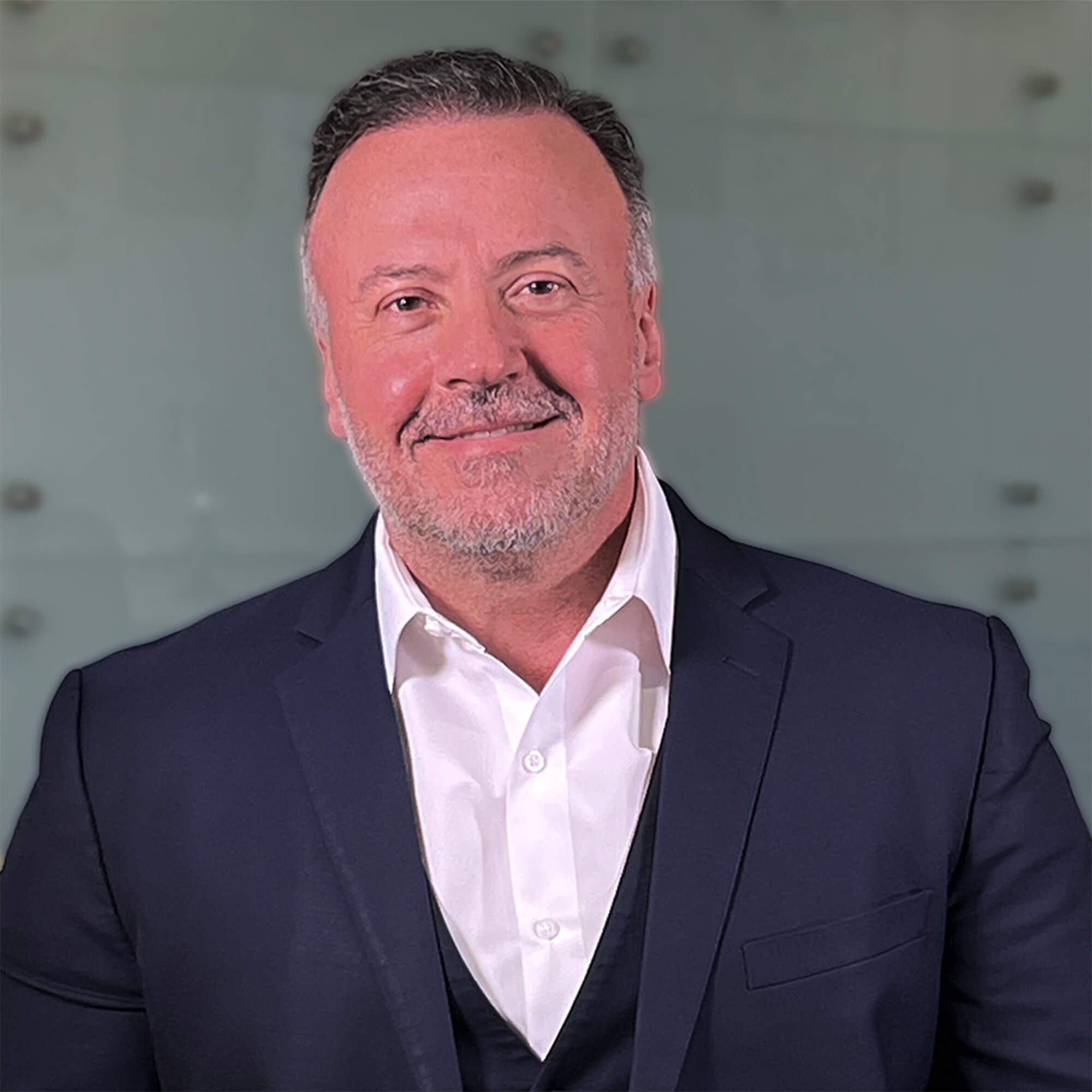
Written by
Cosmetic Surgeon, Board-Certified Urogynecologist
Fellow of the American Academy of Cosmetic Surgeons; Fellow of the American College of Obstetricians and Gynecologists. Medical Degree: University of Miami School of Medicine; Residency: Orlando Regional Healthcare System as Chief Resident.
Our board-certified team offers personalized, judgment-free consultations to help you decide what's right for you.
RECENT POST
BROWSE BY CATEGORY
VISIT US
527 Odd Fellows Road STE B
Crowley, LA 70526
(337) 514-4369
Mon – Thu 8:00 – 5:00
Friday 8:00 – 12:00