Acadia Women's Health
November 13, 2026
min read

Labiaplasty before and after photos are the first thing most women look for, and they're useful, but only if you know how to read them. A single pair of images shows two moments: where a patient started and where she ended up, with none of the healing in between.
Labiaplasty is surgery that reshapes or reduces the labia, the folds of skin around the vaginal opening. For a lot of women considering it, the hard part is knowing whether a photo means anything for her own body, and that question is a fair one.
It is also a common operation, which is why so many photos exist. Surgeons in the ASPS reported 10,658 labiaplasty procedures in the United States in 2025. Every one of those women had a different starting point, a different technique, and a different pace of healing.
At Acadia Women's Health in Crowley, Louisiana, we walk women across Acadiana through these photos using our own patients' results rather than stock images. This article covers how to judge a photo set, what healing looks like stage by stage, and how to tell swelling from your real result. It also explains why results vary, how to evaluate your own outcome, and what a consultation adds.
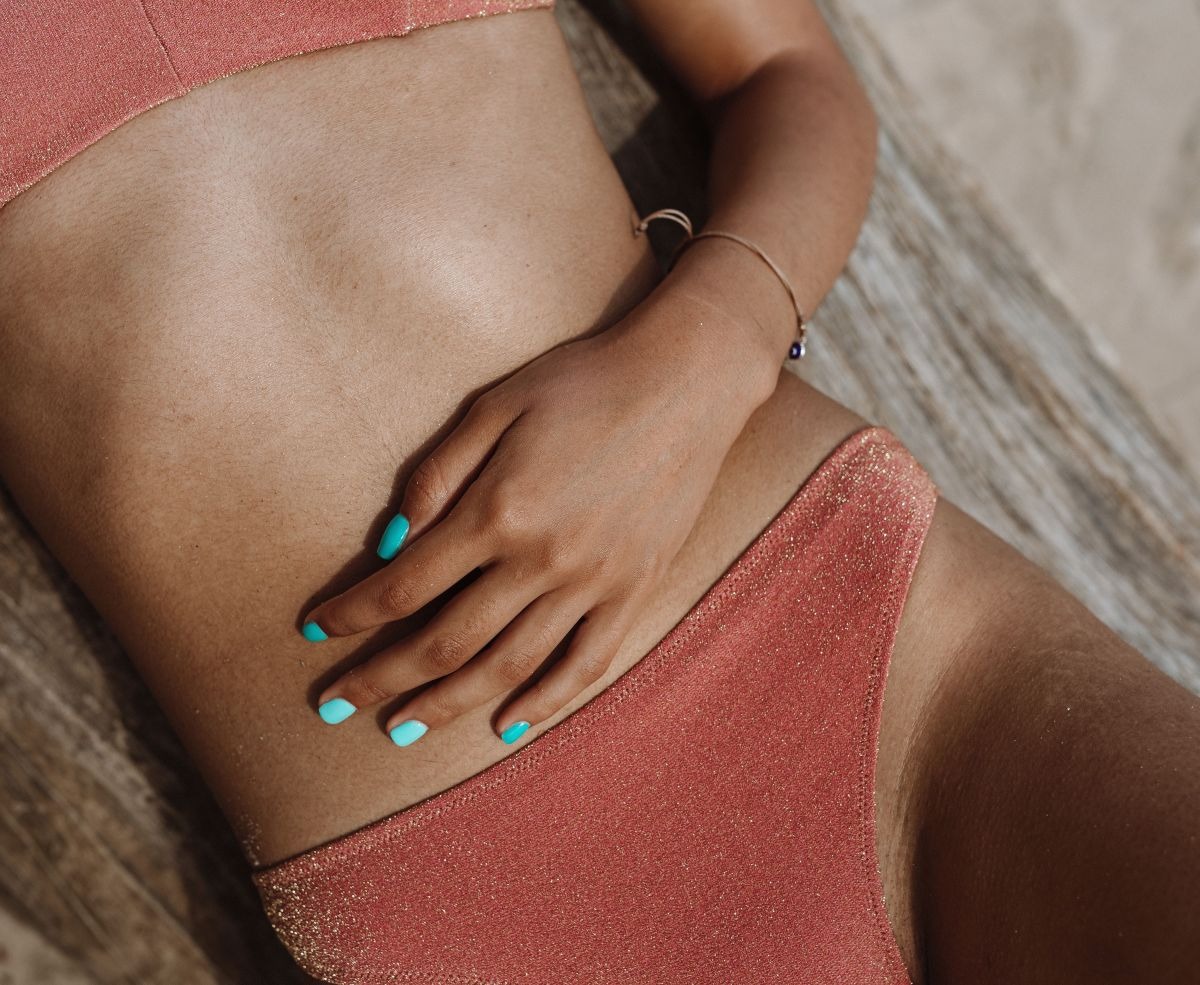
The first thing to check is whether the before and the after were taken the same way. Photos should match in camera distance, angle, lighting, background, and body position, because a small change in any of those can make tissue look larger or smaller than it is. A 2017 photographic standards paper in aesthetic medicine recommends keeping all of those constant and avoiding filters or retouching, so that an outside observer sees the surgery, not the photography.
The second thing to check is timing. An after photo should say how long after surgery it was taken, and it should show a healed result rather than early swelling. A four-week photo can flatter or mislead in either direction, so look for galleries that use a consistent later checkpoint, and don't be shy about asking when the pictures were taken.
Position matters more with labia than with almost any other part of the body. Standing and lying-down views show the labia minora (the inner lips), labia majora (the outer lips), and clitoral hood differently, so one flattering close-up can't tell you how the whole area looks in proportion. A good gallery shows more than one angle and includes a range of ages, anatomies, and starting concerns, not one body type repeated.
Here is a short checklist you can run on any labiaplasty before and after gallery:
One last thing a photo can't show you: comfort. A picture can't tell you whether the rubbing or tugging went away, or whether sensation is normal, and those are usually the reasons a woman had the surgery in the first place. When you're ready to look at real patient results with those limits in mind, you can see our patients' labiaplasty results in our own gallery. Every photo there belongs to a woman who once sat where you're sitting.
Healing after labiaplasty moves fastest in the first few weeks and then keeps settling quietly for months. Knowing what each stage looks like, and what it means for judging your result, takes most of the worry out of the mirror. Here is the arc most women experience, though your own pace will be your own.
In the first seven days, the area is swollen, tender, and often bruised or discolored. The incision line can look uneven or more prominent than it will later, simply because the tissue around it is full of fluid. That is normal, and it's also why nothing you see in week one is worth judging.
Cold packs used as directed, loose clothing, gentle cleansing, and patting rather than rubbing dry are the usual comfort measures. Many women are back to light desk work within about a week, longer for physical jobs.
At Acadia Women's Health, labiaplasty is performed by Dr. Michelle Owens, MD, FAACS, FACOG. She is board certified in obstetrics and gynecology by the American Board of Obstetrics and Gynecology, an ABMS member board, and a Fellow of the American Academy of Cosmetic Surgery. She has cared for women in Crowley since 1999 and has performed these procedures for many years, and she has seen every version of normal.
By the second and third week, bruising and the earliest swelling are fading, and the dissolvable stitches begin to weaken. Knots or small fragments may loosen and come away rather than falling out all at once, which surprises women who weren't warned. A little pulling or tenderness on and off is common here, and it doesn't mean anything has come undone.
This is also the stage when many women take a first real look and feel let down, because the labia can still look larger or less even than expected. Most of that is fluid, not tissue. If you have a question between visits, you can message our team through the patient portal, which is where you handle messages, appointments, records, and forms.
Around weeks four to six, the incision is usually stable and far less discolored, and the shape you'll live with begins to show through. Firmness, some sensitivity, and a bit of residual swelling can remain, so the area may still feel different from how it looks. Most surgeons clear light exercise around week four and broader activity, tampons, and intercourse around week six, once they have checked healing in person.
From the second month on, the firm spots soften, sensation evens out, and the last of the swelling leaves slowly. Genital skin is more elastic and more responsive to hormones than skin elsewhere, which is one reason it keeps remodeling longer than a scar on your arm would. Most of the swelling that changes the look is gone by about six weeks, but complete settling can take four to six months.
Serious problems in this window are uncommon. In a national study of 1,648 labiaplasties published in 2022, only 1.4 percent of patients needed a return to surgery within 30 days, and 1.2 percent were readmitted. The rest of the story, month by month, is patience, and it's the part that gallery photos skip entirely.
Swelling and your real result can look alike in the mirror at two weeks, but they behave differently over time. Swelling is spread out, firm, and tender, it often comes with bruising, and it tends to improve a little every few days. Your actual contour is what remains once the tissue is soft again, and that takes weeks to months to fully appear.
Here is why swelling can make things look worse before they look better. After any incision, the body sends extra blood and fluid to the area to heal it, and that fluid isn't spread perfectly evenly. One side can look fuller or the whole area can look larger than before surgery for a while, and it can feel firmer than your natural tissue ever did.
You might be lying in bed at day 14 wondering, "Is this what it's going to look like?" Almost certainly not.
Two weeks is still inside the window when soreness and discoloration are fading. Four weeks is still inside the stretch when you're told to take it easy, and even six weeks marks a big improvement rather than a finish line. Judging too early is the most common reason women worry unnecessarily, and giving it time is the surest way to see the result your surgeon planned.
The most useful test is direction, not size. Normal swelling trends downward, so what you see this week should be a little softer and a little smaller than last week. What's worth a call is a change that goes the other way.
Usually swelling
Worth a call
Puffiness that is slowly shrinking week to week
Swelling or pain that is getting worse, not better
Firmness or tenderness that eases with rest
Fever, or pus or foul-smelling discharge
One side fuller than the other in the first weeks
Bleeding that is increasing or forming clots
Mild pulling as stitches dissolve
An incision that has opened
Bruising that is fading in color
Severe pain when you urinate or have a bowel movement
If you're on the right side of that table, call rather than watching it alone. A quick look from the surgeon who did your procedure is the safest way to tell fluid from a problem. Our cosmetic surgery patients have their surgeon's cell number for exactly that reason.
Christine found that direct line to her surgeon after an intimate procedure at our Crowley office.
"I had a Vaginoplasty done by Dr. Michelle Owens. She is wonderful! Dr. Owens is very caring and even gave me her number. Amazing work on my womanly parts. Highly recommend her!! As well as her staff!!"
Labiaplasty results vary because no two vulvas start out alike, and the operation is customized rather than standardized. Once you understand the handful of things that shape an outcome, before and after labia photos stop looking like a lottery. They start looking like what they are: one woman's anatomy, one plan, one healing pace.
The length, width, and thickness of the labia, how elastic the tissue is, its color, and any natural asymmetry all shape the plan. Together they decide how much can safely be removed while keeping sensation, blood supply, and a natural edge. Guidance from ACOG, the national body for obstetricians and gynecologists, notes that external genitalia vary considerably in size, shape, and color, and that much of what women worry about falls within normal. Two women with what sounds like the same concern can therefore need quite different amounts of change.
A trim technique removes the outer rim of the labia minora and can remove darker pigmentation along the edge. A wedge technique takes a V-shaped piece from the middle and keeps the natural edge, which shortens length but changes width less. A 2023 review in Plastic and Reconstructive Surgery Global Open concluded that no single technique is right for every patient, and that the choice should follow the anatomy. Add clitoral hood work or a labia majora procedure, and the silhouette in the photo shifts again.
Childbirth, an earlier surgery, ongoing irritation, or pain with intercourse can all change the plan. A surgeon may choose a more conservative approach to protect blood supply and sensation, or may look first for another cause of the symptom rather than assuming labial size is the reason. That care is a good sign, not a delay.
Swelling, bruising, firmness, itching, and the way a scar settles all keep changing for weeks or months, and each woman's tissue does this on its own schedule. Someone else's six-month photo tells you what that woman's tissue did in six months. Yours may be faster or slower and still be completely normal.
Put all of this together and the honest conclusion is that another patient's photo is a reference, never a promise. The realistic aim is improvement in the specific thing that bothered you, whether that's rubbing in leggings or how the area looks, with enough tissue kept for comfort and sensation. Combined procedures also change the quote, which is one reason cost is discussed face to face, and financing options exist so the plan can fit the budget you have.
Once the swelling has settled, judge your result in three parts: comfort, appearance, and how the tissue is healing. Start with the reason you had the surgery. If it was tugging, twisting, rubbing in clothing, or discomfort during exercise or sex, the first question is simply whether that is better than it was.
Then look at appearance with fresh eyes. Healed tissue should look in proportion with the outer lips and clitoral hood, with a smooth edge and no pulling, notching, or areas that look excessively reduced. A 2024 long-term review of 748 patients in the Aesthetic Surgery Journal found some remaining asymmetry in about 6 percent, so perfect symmetry is not the standard, and mild differences between sides are within normal.
Scars and sensation deserve their own patience. Early on, a scar can be pink, firm, or a little itchy, and it should soften, flatten, and blend into the natural folds over the following months. Sensation may feel numb or extra sensitive during healing, and it usually evens out as the nerves settle. What deserves a look is a scar that stays hard or painful, or feels stuck to the tissue underneath, or sensation that stops improving.
A simple self-check at your later follow-ups:
If the answer to any of those is no, say so, and say it early rather than deciding on your own that something failed. At Acadia Women's Health, our follow-up visits are unhurried.
The right time to talk about a concern or a possible revision is after healing has finished and your surgeon has examined you, not at week three in the bathroom mirror. Most concerns raised at that stage turn out to be healing that still needs time, and the ones that aren't can be planned for calmly.
A consultation is where gallery photos, your own anatomy, and an honest plan finally meet. At our office it's free, and it's a one-on-one visit with one of our providers, with time to ask every question you've been carrying around. Nothing about it commits you to surgery.
It helps to come prepared. Bring your medical and surgical history, your medications, and a clear sense of what bothers you, whether that's comfort, appearance, or both. Photos of results you like are welcome as a way to explain your preference, but they work as a language, not a forecast. What you can expect is a gentle, private exam, so you can point to the exact tissue that concerns you and hear plainly what can change and what can't.
Good questions to ask include why a trim or wedge approach fits your anatomy, when the practice takes its after photos, and what healing typically looks like here. Dr. Owens has performed these procedures for many years. Our cosmetic surgery patients are also given their surgeon's personal cell number after surgery, so the honest answers don't stop once you've booked.
Cost comes up honestly too. Labiaplasty is an out-of-pocket cosmetic procedure, so we don't file it with insurance, and that's why we offer Cherry, Affirm, and CareCredit, plus an in-house layaway plan. At our Crowley office, our team will walk you through what goes into your total and which payment option fits, and you can take that home to think over.
Brentney went into her labiaplasty nervous about being awake for it and came out glad she booked.
"I was really nervous about doing my procedures awake but it was soooo worth it. If you have been sitting on whether or not to book the surgery, just go ahead and book it with them. Acadia Women's Health is hands down the best, they truly care. I did Breast Augmentation and LabiaPlasty. Oh, and did I mention they offer FREE consultations? Yes, you read that right, FREE!"
If you came here trying to work out whether a labiaplasty before and after photo means anything for your own body, you now have the tools to read one properly. Check the angle and timing, expect swelling to hide the result for weeks, and remember that another woman's outcome is a reference for what's possible, not a promise of what you'll get. Taking your time with this is the right instinct.
A good next step is to look at real patient photos with that checklist in hand, and then bring your questions to someone who can examine you and answer them plainly. When you're ready, reach out to our team or call 337-514-4369, and we'll set up a free, no-pressure conversation.
At Acadia Women's Health in Crowley, we've spent more than 25 years caring for women across Acadiana, and we understand the body you have and the body you want. Whatever you decide, and whenever you decide it, feeling comfortable in your own body is reason enough to ask.
It's normal to want to look right away, and the first real difference usually shows as the early swelling eases over the first couple of weeks. That early view is still puffy, though. The shape keeps refining over the following weeks and months, so the difference you notice at two weeks is only a preview.
Swelling usually peaks in the first two or three days and then eases gradually. Most of the visible swelling is gone by about six weeks, but a small amount can linger for four to six months. That long tail is why patience matters more than any single check in the mirror.
Yes, and that catches many women off guard. Peak swelling, bruising, firmness, and temporary discoloration can make the area look larger or more uneven than it did before surgery. Those changes fade over the first weeks, and the improvement you were hoping for shows up underneath.
Your result is final once the swelling has fully resolved and the tissue has softened, which typically takes four to six months. Most surgeons take their official after photos around that point. If you're comparing yourself to a gallery, that's the timing to compare against.
In the early weeks, yes. Each side swells and heals at its own rate, so one side often looks fuller than the other for a while. Some small difference between sides can remain even after healing, because perfect symmetry isn't natural to the body, and it's usually far less noticeable than it feels at first.
Most surgeons ask you to wait at least four to six weeks, and to resume only after they have confirmed the incision has healed. Going slowly the first few times is sensible. If anything feels sharp rather than simply tender, that's a reason to check in rather than push through.
Labiaplasty scars are usually small and tend to blend into the natural folds and texture of the labia, so most women find them hard to spot once healed. Early on, the line can look pink and feel firm. At our office we talk through scar care before surgery and check in as you heal.
The absorbable stitches used for labiaplasty usually dissolve over about three to four weeks, though timing varies with the type of suture. Knots or small pieces may loosen before they are gone. Don't pull at them, and let your surgeon know if an area of the incision seems to be opening.
Because the women in them started out different. Anatomy, tissue thickness, natural asymmetry, the technique chosen, and how far along the healing was when the photo was taken all change what you see. Lighting, angle, and any editing add another layer, which is why a consistent, dated gallery matters.
No, and a careful surgeon will tell you so. A photo is a helpful way to explain what you like, but your own anatomy and healing decide the outcome. What a good consultation can do is explain which parts of that look are realistic for you and which aren't.
For many women, yes, and comfort is often the main reason they choose it. Reducing the tissue that catches or rubs in clothing, during exercise, or during sex can ease those symptoms, though improvement isn't guaranteed for everyone. At Acadia Women's Health, we treat comfort as a result worth planning for, not an afterthought, so tell us at your consultation exactly where and when the rubbing happens.
Disclaimer: This article is for general educational purposes only and is not medical advice. Reading it does not create a physician-patient relationship. Every patient is different, individual results vary, and no outcome is guaranteed. Talk with a qualified physician about your specific situation before making any treatment decision.

Written by
Cosmetogynecology, Board-Certified Gynecologist
Fellow of the American Academy of Cosmetic Surgery; Fellow of the American Academy of Facial Esthetics; Fellow of the International Society of Cosmetogynecology (ISCG). Medical Degree: University of Mississippi School of Medicine; Residency: Orlando Regional Healthcare System as Chief Resident.
Our board-certified team offers personalized, judgment-free consultations to help you decide what's right for you.
RECENT POST
BROWSE BY CATEGORY
VISIT US
527 Odd Fellows Road STE B
Crowley, LA 70526
(337) 514-4369
Mon – Thu 8:00 – 5:00
Friday 8:00 – 12:00